As the midterm elections in the United States draw near, concerns about the decline in public trust in electoral campaigns, particularly in Donald Trump, the former president, have increased. Recent polls clearly show that Americans have become significantly distrustful of the electoral processes and political figures during this period.
Dissatisfaction with Campaigns
Many voters, especially young people, are disappointed with how campaigns are managed and the election promises made. This dissatisfaction stems from the poor performance of some candidates and the feeling of neglect towards the real issues facing society. It seems that electoral campaigns have become more focused on media spectacles and advertisements rather than addressing the fundamental issues of the people.
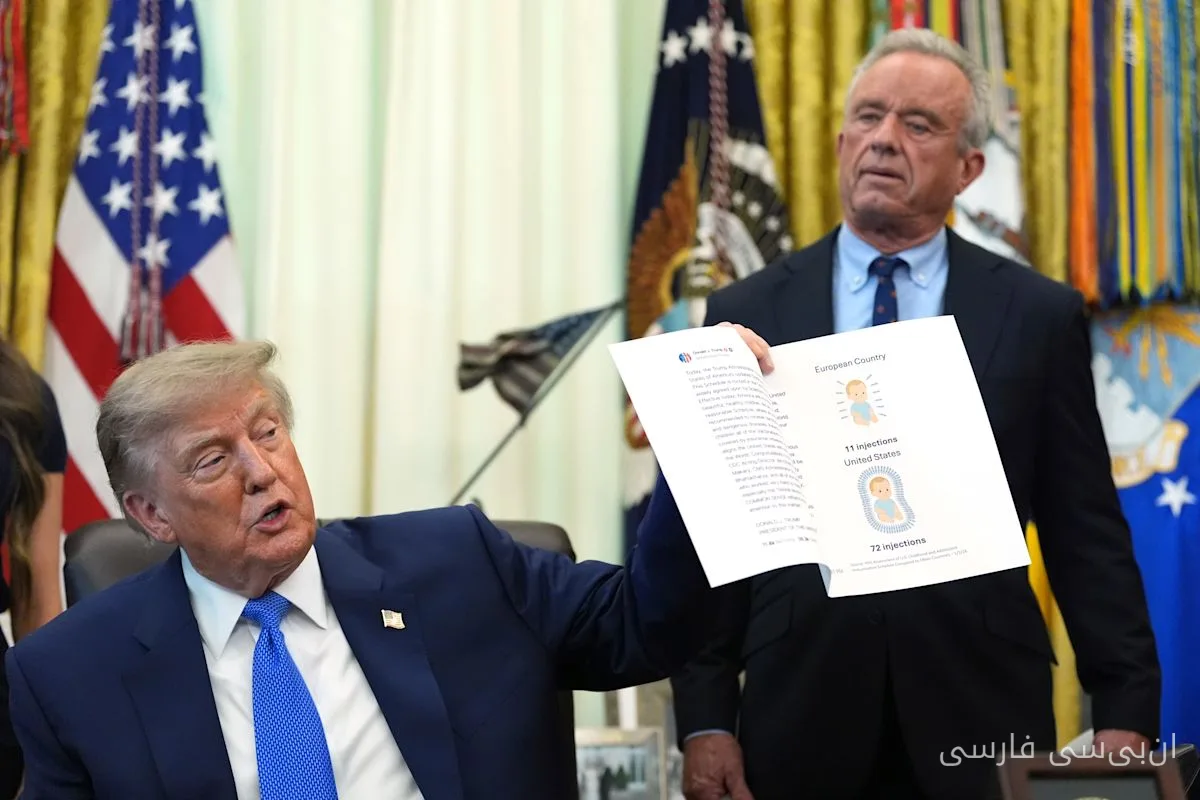
Meanwhile, Trump is also facing serious challenges. Although he remains one of the influential figures in the Republican Party, polls indicate that trust in him among voters has declined. Many Americans have come to the conclusion that his past promises have not been fulfilled, negatively affecting his popularity.
Impact on Future Elections
The decline in trust in campaigns and political figures could have serious consequences for future elections. If this trend continues, we may witness a decrease in voter participation, which would not benefit either party. In fact, public distrust could lead to apathy towards elections, which would harm democracy and electoral processes.
Past experiences show that public trust in politicians and campaigns plays a crucial role in people's participation in elections. Therefore, it is essential for candidates and political parties to pay attention to these dissatisfactions and strive to regain public trust through genuine promises and practical programs.