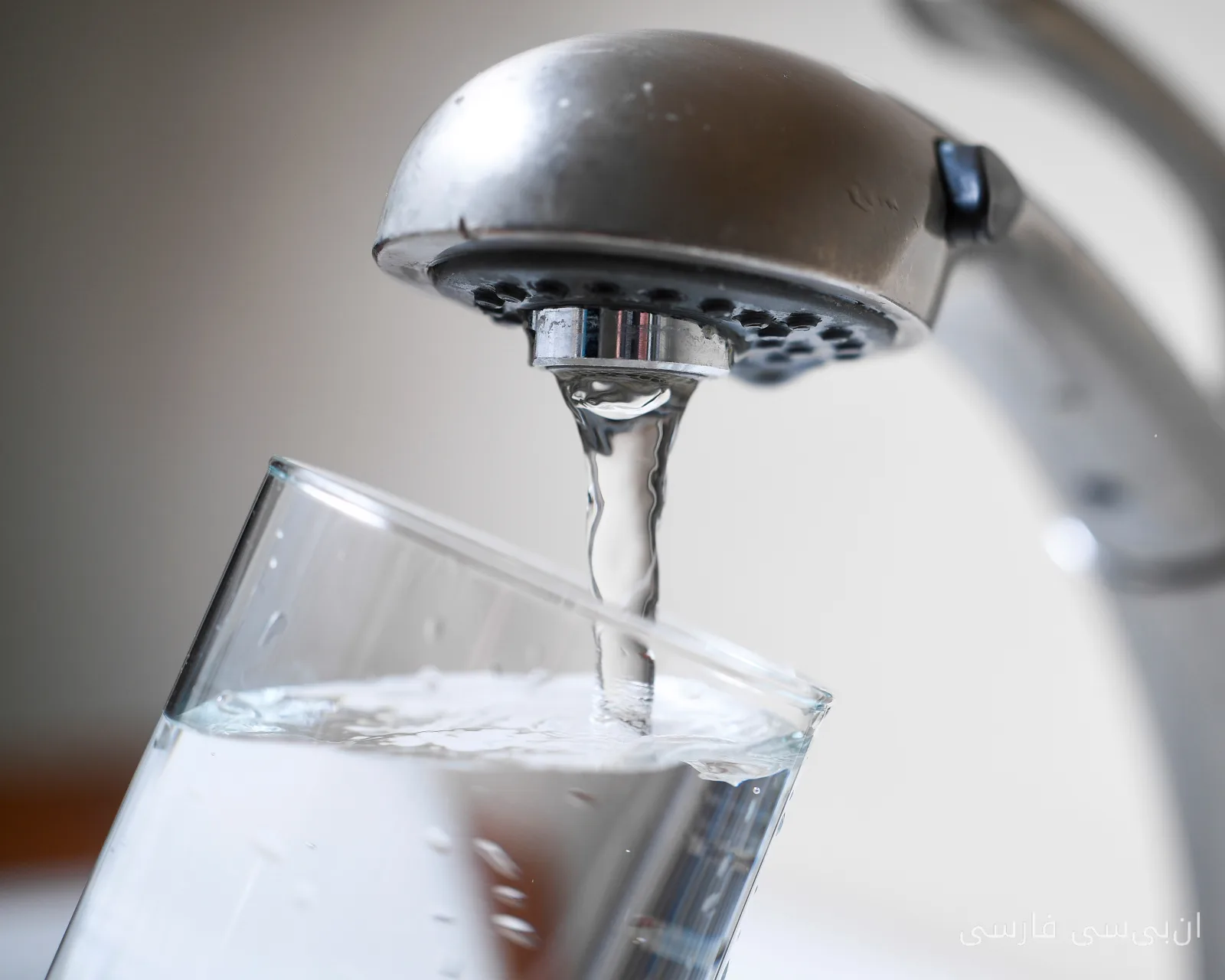
In a controversial and debated decision, a federal appeals court in the United States announced that the Constitution of this country does not guarantee the right to access clean water. This ruling came after a lawsuit was dismissed from a group of residents in Jackson, Mississippi, who claimed that contaminated drinking water violated their rights.
Legal and Social Challenges
In 2022, residents of Jackson filed a lawsuit against local and state government, demanding recognition of the right to access clean water. They claimed that the city's drinking water had become severely contaminated due to various pollutants and neglect of infrastructure issues, threatening their health. However, the appeals court dismissed the lawsuit, stating that the Constitution does not guarantee such a right.
This decision quickly sparked strong reactions from human rights activists, environmentalists, and protesting citizens. Many believe that this ruling not only ignores basic human rights but also reflects the judiciary's indifference to the infrastructural and health issues facing vulnerable communities.
Water, a Human Right or a Privilege?
While access to clean water is recognized as a fundamental right in many countries, this decision by the U.S. federal court raises serious questions about social justice and human rights in this country once again. Can clean water really be considered a privilege? Should citizens have to go to court to access this vital resource?
Undoubtedly, this ruling will exacerbate existing tensions and inequalities in American communities and may have widespread implications for other citizens facing similar issues. In today's world, the right to access clean water should be an integral part of human rights; however, it seems that this has yet to be realized.