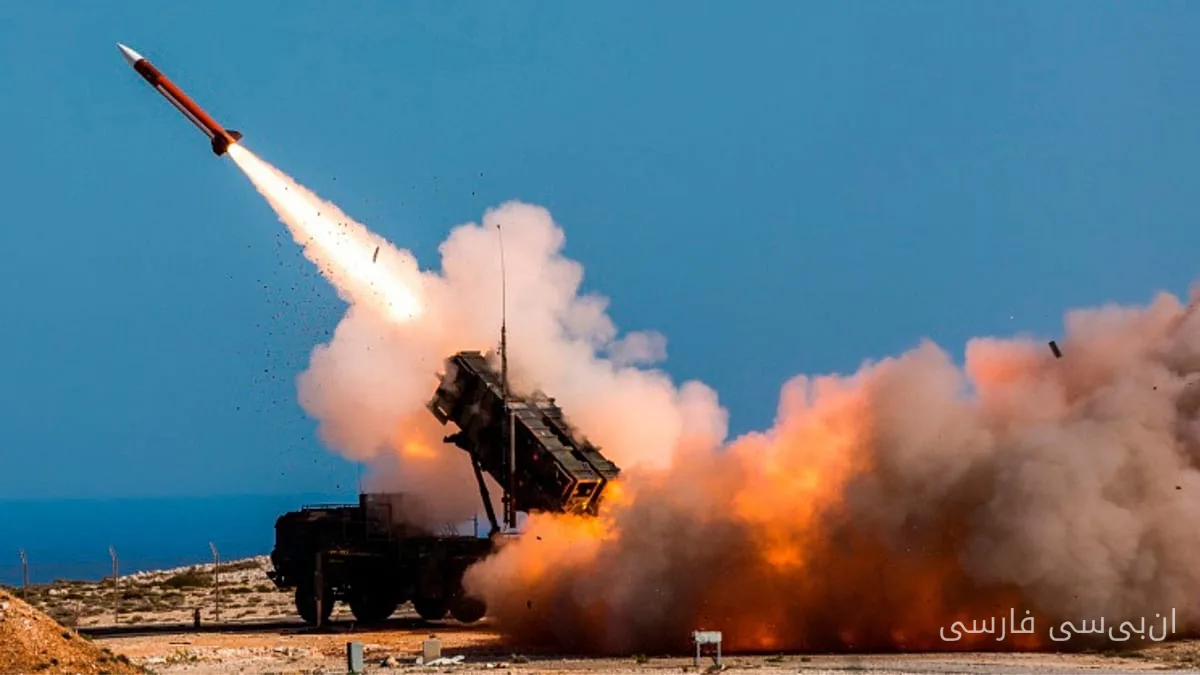
The U.S. Congress Budget Office announced the $38 billion cost of the war with Iran and warned of a shortage of interceptor missile stocks in the event of a conflict with an enemy possessing extensive missile arsenals.
Shortage of Missile Stocks and Its Consequences
According to the report from this nonpartisan agency, the U.S. has consumed up to two-thirds of its stocks of certain types of interceptor missiles since June of last year. The report states that in the event of a conflict with an enemy that has an arsenal including a large number of ballistic and cruise missiles, this shortage could be particularly problematic.
Read more: NBC Los Angeles helicopter crashes while covering bus accident
Reactions to War Costs
This assessment has been published as Donald Trump, the President of the United States, is trying to determine the next steps in the war. Iran has not agreed to his demands to abandon its nuclear program, and Trump is seeking to increase economic pressure on the country. Democrats have criticized Trump's decision to enter the war, citing official statistics on war costs.
Brendan Boyle, a representative from Pennsylvania and the senior Democrat on the House Budget Committee, said: "Donald Trump and the Republicans have told Americans for years that we cannot afford to help families at home, but apparently they can spend tens of billions of dollars and likely much more on a reckless war that Americans will have to pay for."
Elizabeth Warren, a Democratic senator from Massachusetts, called this war a "double whammy" that "empties both the pockets of Americans and our ammunition stocks, harming our military readiness."
Estimates for Restocking Missile Supplies
The Congress Budget Office warned in its report that due to the Department of Defense's failure to respond to its requests for information, it faces uncertainty regarding its estimates. According to informed sources, Steve Feinberg, the Deputy Secretary of Defense, is expected to provide explanations to Republican and Democratic members of the House Armed Services Committee on Thursday regarding the defense budget.
This estimate largely aligns with the estimate provided by Pete Hegseth, the U.S. Secretary of Defense, in July during a Senate Budget Committee hearing. The first report from the Pentagon's inspector general on the war with Iran, which was released on Monday evening, also largely confirms these figures.
The Congress Budget Office also estimated that the U.S. would need to spend nearly $22 billion to restock its supplies, including about $7 billion for cruise missiles and $13 billion for defensive interceptor missiles. These figures also align with the report from the Pentagon's inspector general.
The Congress Budget Office states that its overall estimate includes the cost of replenishing consumed munitions and replacing lost equipment in battle, increasing flight hours, other operations, and rising fuel costs. The Trump administration has requested $67 billion to cover the costs of the war and other urgent military needs, which has not yet been approved by Congress.
Some Republicans have stated that it is unlikely Congress will agree to the administration's $67 billion request before the midterm elections in November.
Read more: Congress is nearing the approval of a broad sanctions bill against Russia named after Lindsey Graham · War with Iran increases the cost of living for Americans