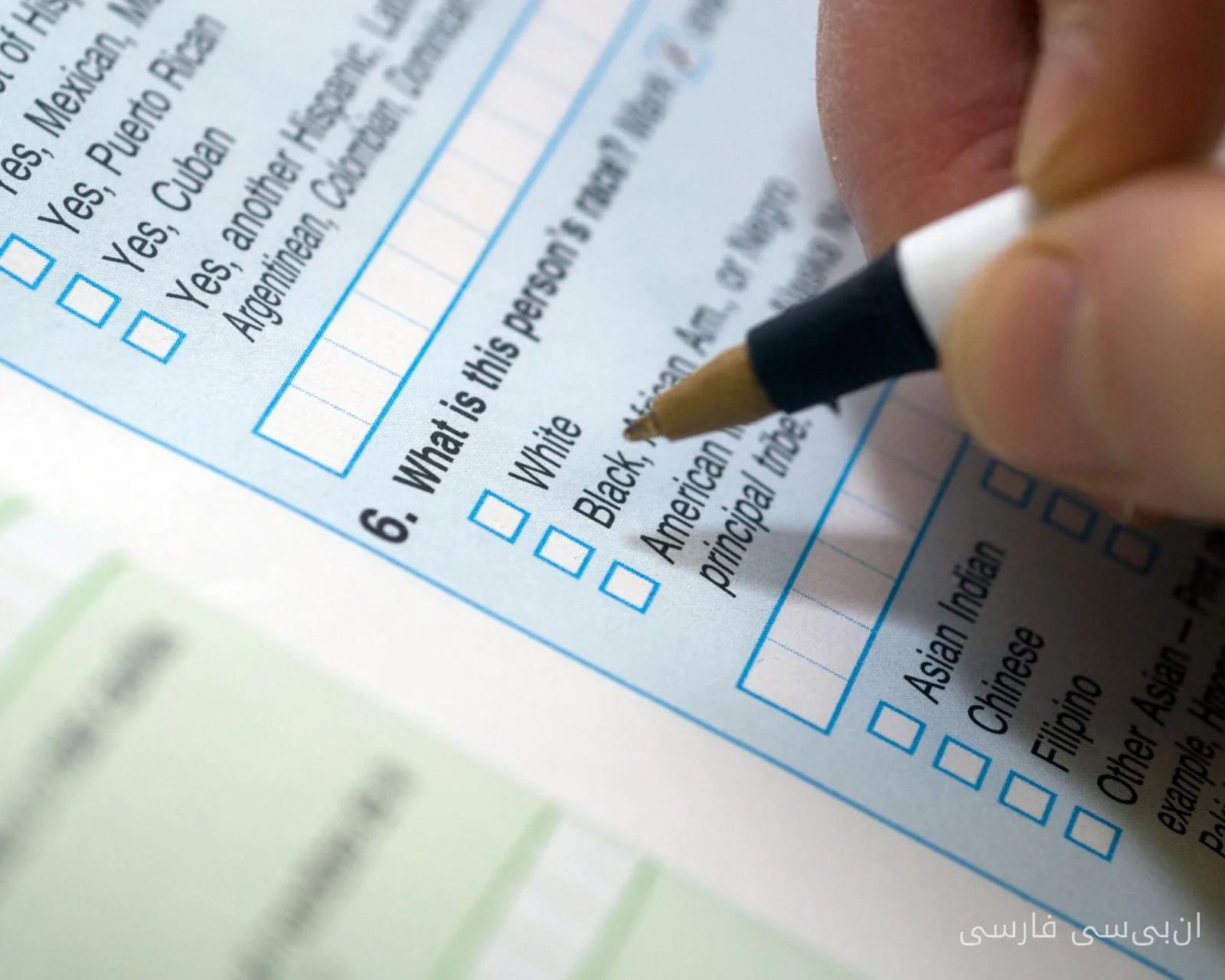
The census in the United States has been used as a fundamental tool for allocating political representation and financial resources to states since the founding of the country. But now it seems that this vital process is facing serious threats. The mechanisms that allowed the census to resist partisan interference are now collapsing, and Congress has remained silent on this matter.
History of the Census and Its Importance
When the founders of the United States came together, they made a bold decision: "Why not count everyone in the country and allocate political representation based on that?" This was a revolutionary act. Before that, censuses were mainly used by kings to collect taxes and draft men for war. With the adoption of Clause 1, Section 2 of the Constitution, counting people ensured that states received more financial resources and political representatives. The people wanted to be counted, and politicians wanted their constituents to be counted more.
Current and Future Challenges of the Census
Currently, it seems that political pressures and partisan interference are alarmingly affecting the census. These threats could lead to the weakening of American democracy and result in some groups and minorities being sidelined from the political process. In this situation, the necessity of paying attention to the census and preserving its independence is felt more than ever. Are we on the verge of losing one of the fundamental principles of our democracy?
As this trend continues, we should expect dire consequences in the political and social landscape of America. The census must be viewed as a tool for establishing social and political justice, and any weakening of it could come at the cost of democracy.