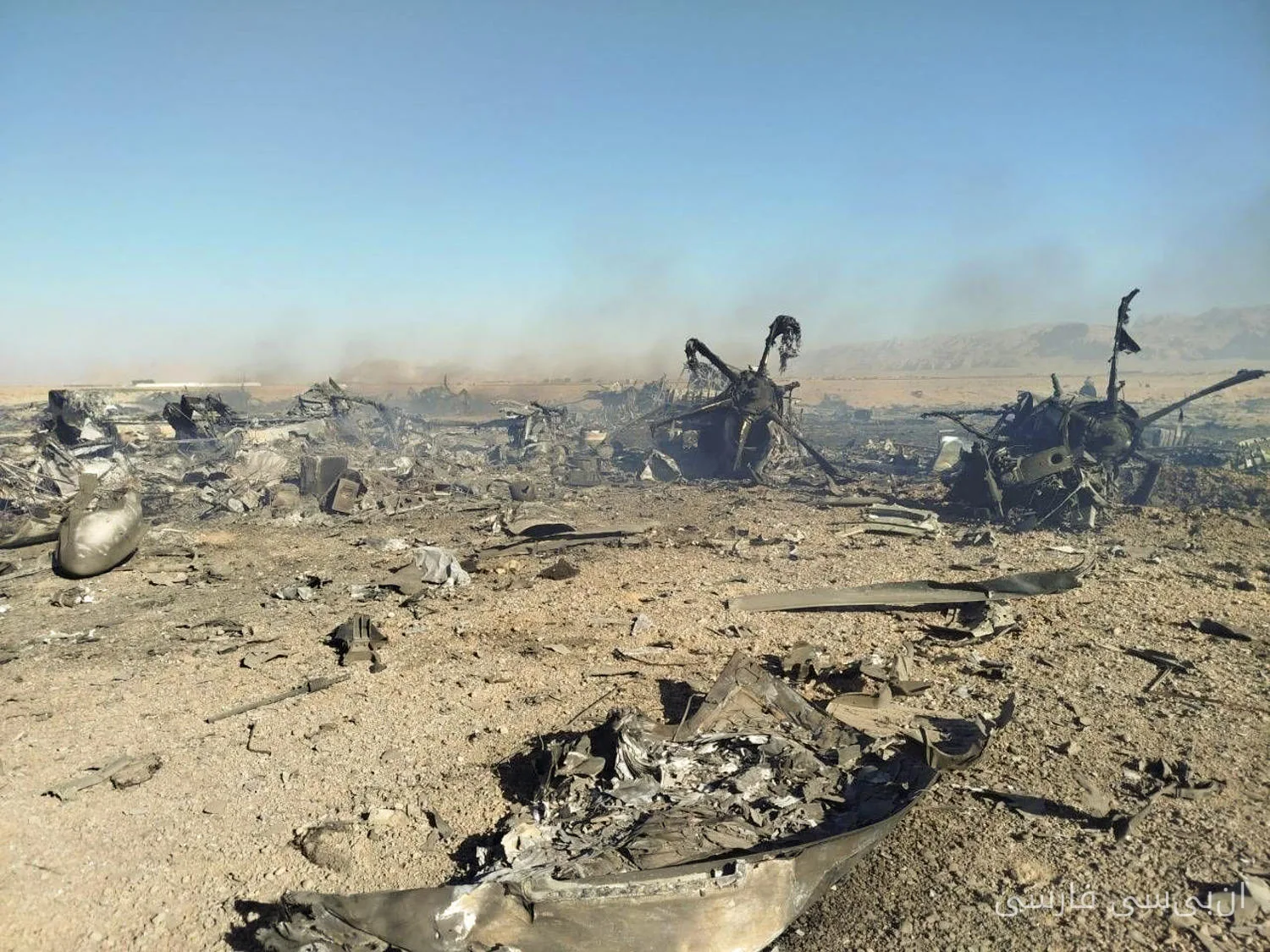
Saudi Arabia has recently blocked its important East-West oil pipeline, which is dedicated to transporting crude oil from the eastern part of the country to the western shores, following a series of drone attacks. This action has been taken in response to the increasing attacks by Houthi forces from Yemen, who are allied with Iran, and it seems that tensions in the region are sharply rising.
New Houthi Provocations
In recent weeks, Houthi forces have unprecedentedly intensified their attacks on Saudi Arabia. These attacks, primarily carried out by drones, have targeted oil facilities and other vital infrastructure in Saudi Arabia. The closure of the East-West oil pipeline is a sign of the direct impact of these attacks on the Saudi oil industry and could have widespread economic repercussions for Saudi Arabia.
Economic and Political Consequences
The closure of this oil pipeline not only affects Saudi Arabia's crude oil exports but could also lead to an increase in global oil prices. While the oil market is under pressure due to recent fluctuations, these new developments could result in rising prices and instability in global markets. Saudi Arabia, as one of the largest oil producers in the world, is closely monitoring this situation and may take new measures to counter these threats.
As tensions in the Middle East continue, these attacks and Saudi Arabia's responses could lead to increased tensions among countries in the region. It seems that this situation not only impacts Saudi Arabia's national security but could also affect the stability of the entire region.