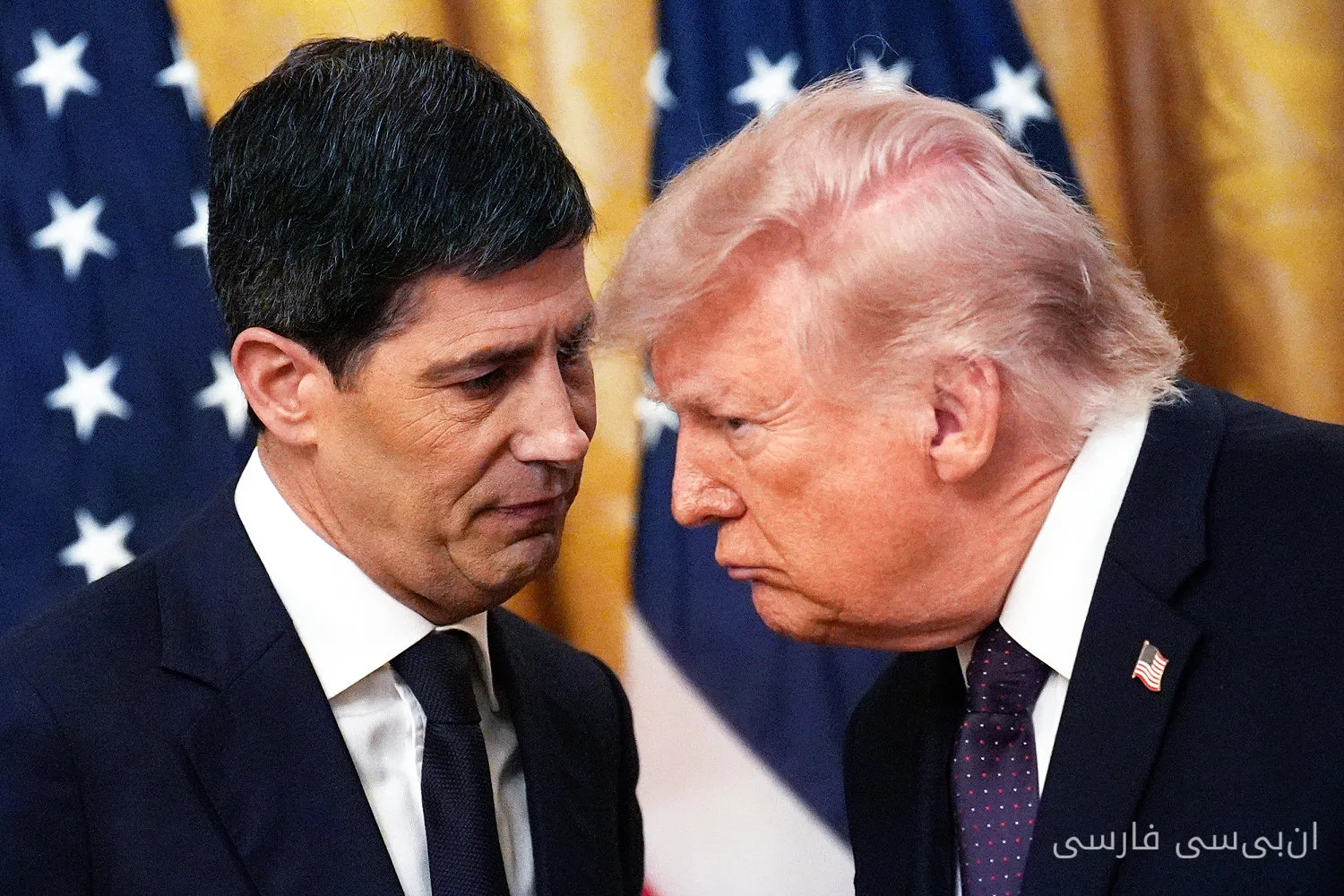
The Federal Reserve of the United States will soon announce its decision regarding interest rates. Meanwhile, Donald Trump, the former president, has once again emphasized the need to lower interest rates. In recent years, Trump has heavily criticized Jerome Powell, the former chair of the Federal Reserve, and pressured him to reduce rates. Now, with Kevin Warsh being appointed as the new chair of the Federal Reserve, Trump has more explicitly called for a reduction in interest rates.
Pressure on the Federal Reserve
Warsh, who has only been in this position for four months, is facing new challenges. Trump has recently repeatedly called for lower interest rates in his speeches, creating the possibility of tensions between the government and the Federal Reserve in the near future. According to economists, the Federal Reserve must make a tough decision in the current circumstances: will it keep interest rates steady against rising inflation, or will it raise rates to combat high prices?
Read more: Stock market under pressure from high 10-year bond rates
Economic Challenges
The current economic situation is complex. With rising energy prices and supply chain crises resulting from wars and sanctions, inflation has reached its highest level. For example, crude oil prices have reached $106 per barrel, and gasoline prices have increased by 45% since February. In this context, Trump has repeatedly stated that interest rates should be reduced to 1% because higher rates harm the country.
At the same time, despite inflationary pressures, the job market remains stable, and the unemployment rate has reached 4.1%. However, given the rising cost of living and decreasing purchasing power, this situation may change soon. Trump also continues to criticize the Federal Reserve's policies, believing that the institution should act independently.
These developments clearly indicate the challenges facing the Federal Reserve and how it must manage simultaneous political and economic pressures. If the Federal Reserve decides to raise interest rates, it could have profound effects on markets and the macroeconomy.
Read more: Saudis shut down East-West pipeline after drone attack · Yield growth in the bond market approaches recession escape