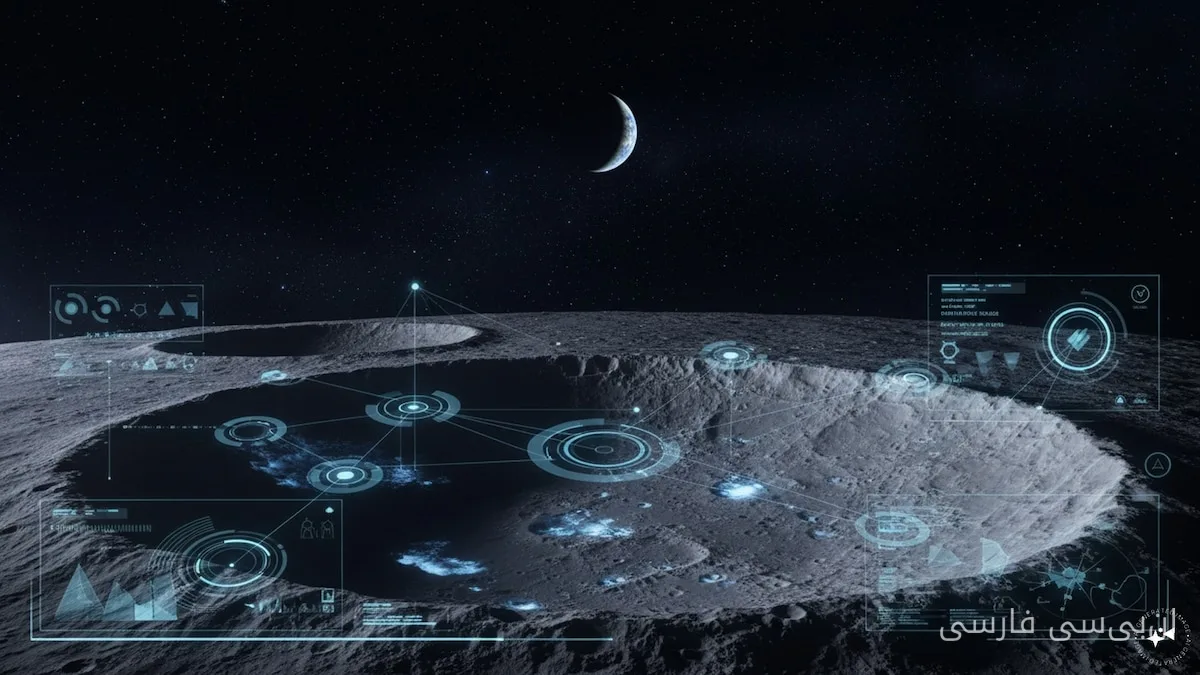
In a stunning collaboration, IBM and NASA have recently unveiled their open-source artificial intelligence model that not only helps in mapping the lunar surface and identifying existing ice but also aids in planning for a sustainable human presence on this moon.
A Milestone for the Future of Space Exploration
This new AI model allows scientists to easily analyze information related to the lunar surface. Using this technology, researchers can examine geological features such as large craters as well as the ice present at the moon's poles. This information could assist in establishing permanent bases on the moon and facilitate future trips to this moon.
The data analysis in this model is designed to process information from various sources and help researchers better understand the current state of the moon. This technology is expected to help scientists address the challenges of living in space with greater precision.
Advancements in Space Exploration
This artificial intelligence model can not only assist in discovering ice resources on the lunar surface but also examines volcanic activity and other geological features of this moon. This information, in turn, can contribute to our understanding of the moon's history and chemical composition, bringing us closer to its hidden secrets.
As the United States and other countries seek to plan for a return to the moon and establish permanent bases, this model could serve as a key tool in future space explorations. It seems that the collaboration between IBM and NASA in this area could mark a turning point in the history of space exploration and contribute to the formation of a new generation of space technologies.