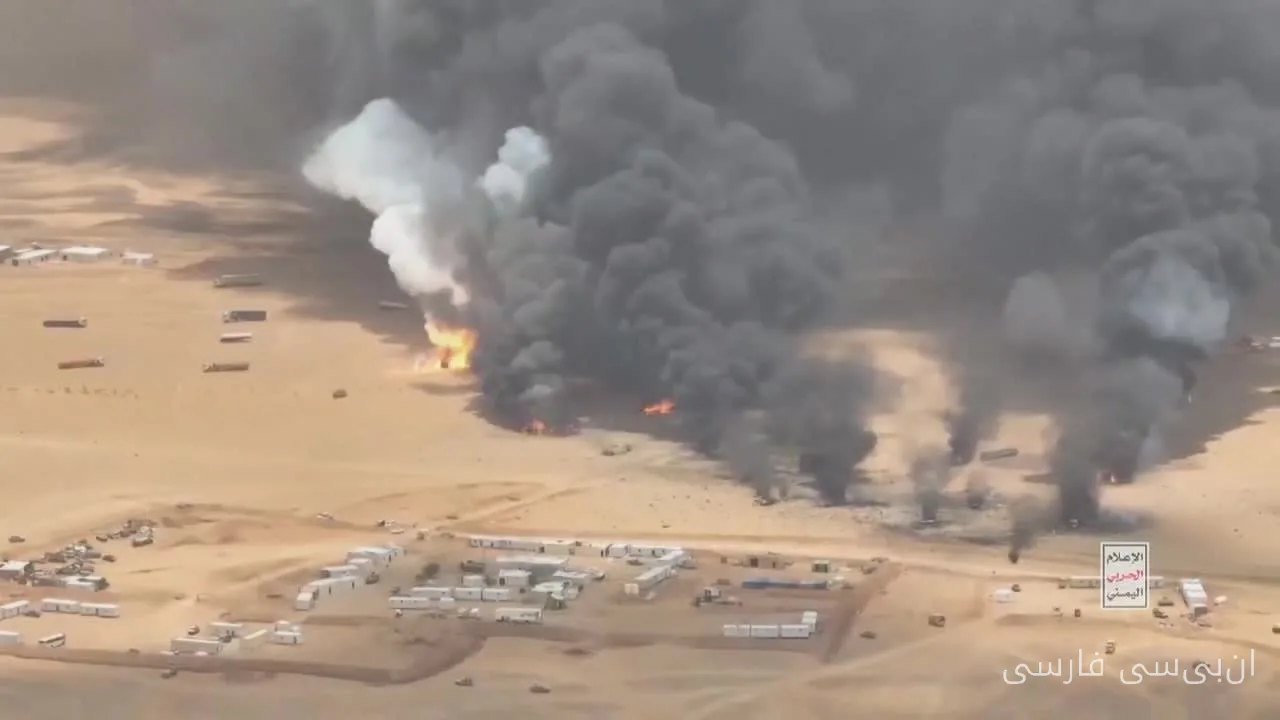
As tensions in the Persian Gulf continue to rise, Iran is seriously creating a new ring of proxies that will operate to threaten America's allies in this region. This network, which includes various groups such as militias and paramilitary organizations, seeks to expand its influence in neighboring countries as well as among Arab nations.
Analysis of New Threats
Analysts believe that this Iranian action could be interpreted as a new strategy to counter international pressures and economic sanctions. The increase in military activities of these groups could significantly impact regional stability and put America's allies in a difficult position.
Military and security officials are closely monitoring the movements of these groups. They believe that Iran, using these proxies, could carry out special military actions against American forces and their allies in the Persian Gulf. In particular, concerns about the possibility of cyberattacks and terrorist operations have increased.
Strategic Consequences
These movements are not only a threat to the national security of neighboring countries but could also have strategic consequences for the entire region. As political and military tensions rise, America's allies must be prepared to confront these new threats. This situation could lead to increased military cooperation between regional countries and the United States.
In light of these developments, it seems that Iran is seeking to create a new equation in the Persian Gulf that could fundamentally change the balance of power. Meanwhile, America's allies must closely monitor this situation and take necessary measures to address these challenges.