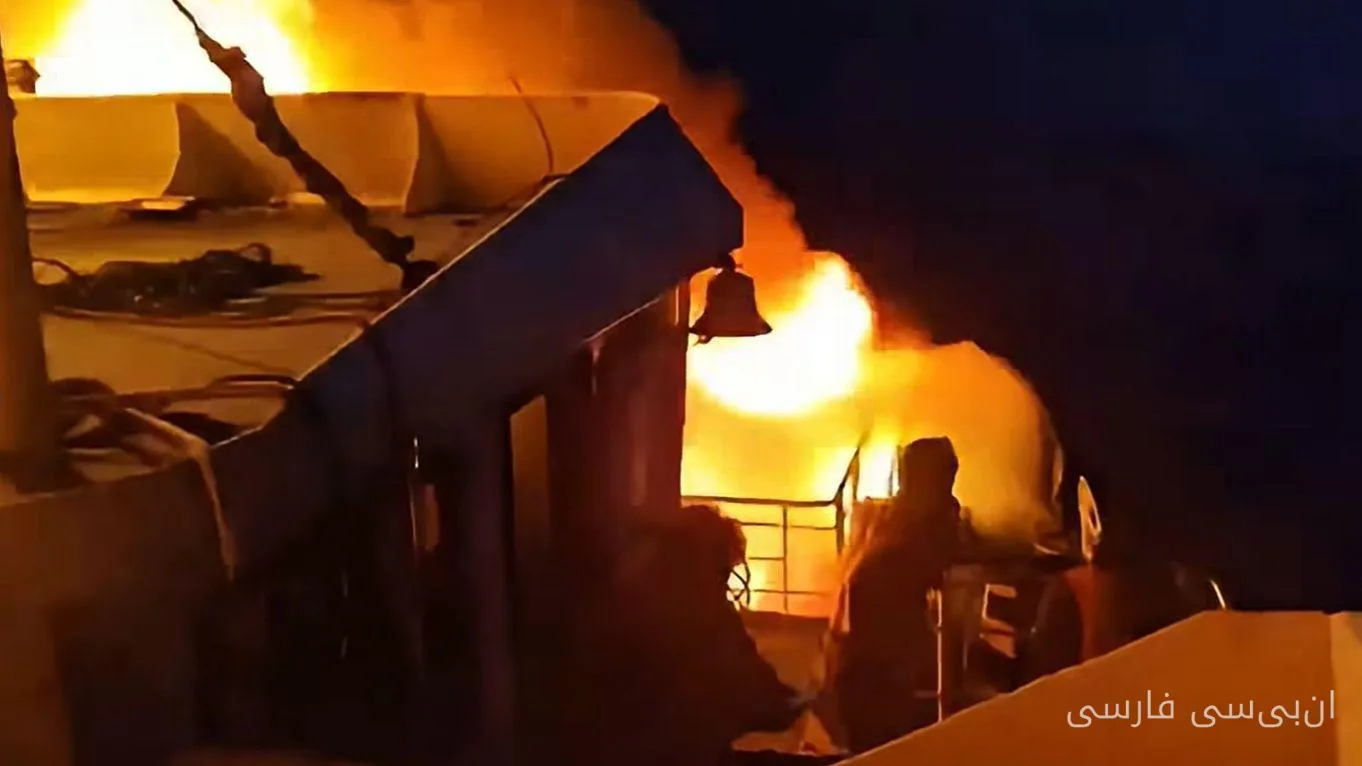
Tensions in the Persian Gulf reached a peak when Iran retaliated against the sinking of five of its oil tankers by the United States by attacking American warships and military bases. This action by Iran, seen as a decisive response, has heightened global concerns about maritime security and stability in this sensitive region.
Iran's Decisive Response
The recent attacks indicate a shift in Iran's approach to military threats. The country has clearly stated that it will not leave any military action by the United States unanswered. According to experts, these attacks could lead to increased tensions in the Persian Gulf and jeopardize trade routes.
In the wake of these attacks, the United States has also continued its military responses and is reinforcing its forces in the region. This kind of exchange of fire could lead to a widespread war in the Persian Gulf, the consequences of which would extend beyond the borders of this region.
Global Concerns
Given the strategic importance of the Persian Gulf for global oil trade, any conflict in this area could severely impact oil prices and cause fluctuations in global markets. Analysts believe that these developments may lead to new diplomatic negotiations, although the possibility of further tensions also exists.
These events represent a new era of military tensions in the region that could have widespread implications for global security. In this context, questions arise about the future strategies of Iran and the United States, as well as the impacts on neighboring countries and global markets.