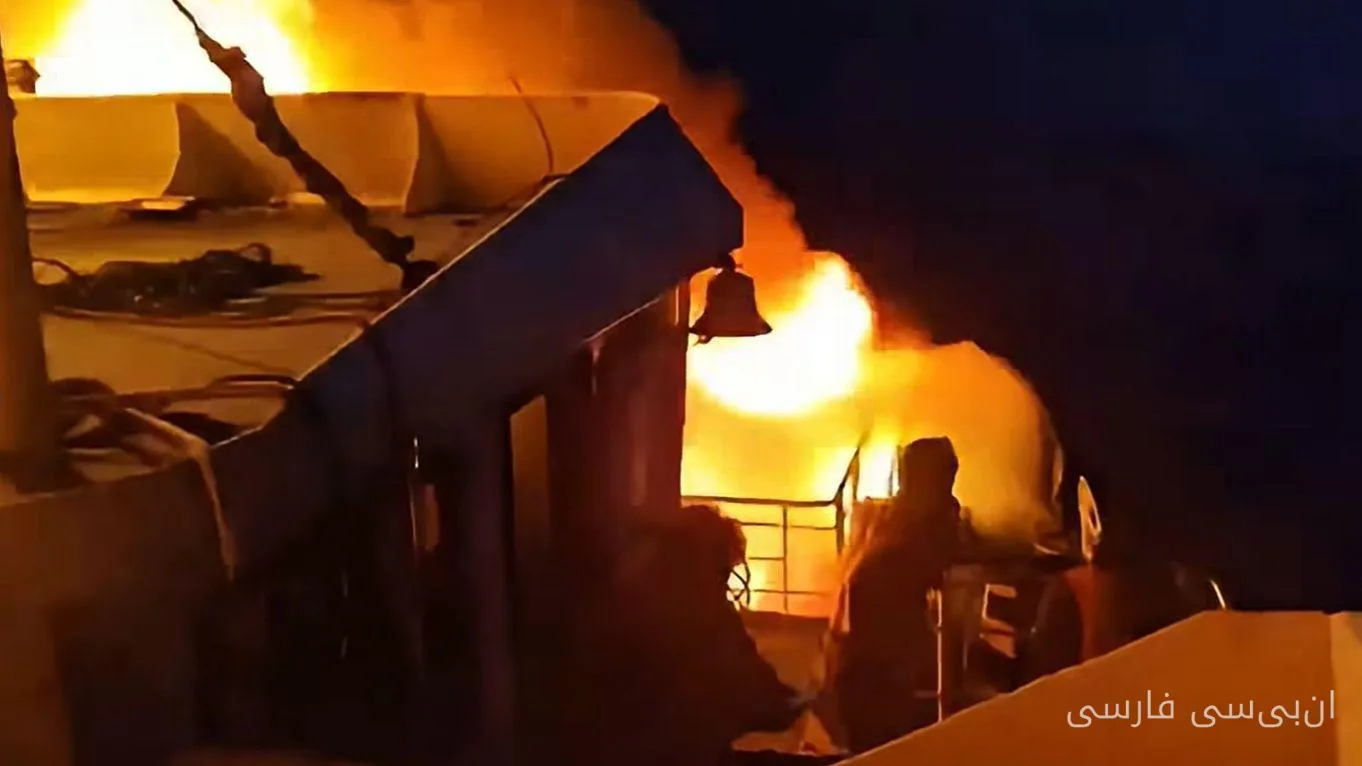
Tensions in the Persian Gulf have reached a boiling point, and the repercussions are rapidly spreading. Following Iran's gunfire at U.S. naval vessels, the country decided to take military action in response to new threats and attacked Iranian tankers. These attacks, carried out as a response to Iran's recent actions, indicate an increase in tensions in the region and instability in relations.
Unintended Consequences
Analysts believe that such conflicts could have unintended consequences. While both countries are trying to showcase their power, these tensions could lead to broader conflicts and even a protracted war that would not only affect the two countries but could also jeopardize regional stability.
Additionally, these attacks could impact the global oil market. Given that many tankers pass through this region, any instability could severely affect oil prices. Economic experts predict that this situation may lead to rising energy prices and impact the global economy.
The Future of Iran-U.S. Relations
As many analysts seek to predict the future of Iran-U.S. relations, these events could exacerbate complexities. Will these attacks be seen as a serious warning for Iran, or are they merely another phase of the ongoing tensions between the two countries?
Ultimately, what is clear is that the Persian Gulf has become a battleground for global powers, and any misstep could lead to serious consequences for both sides.