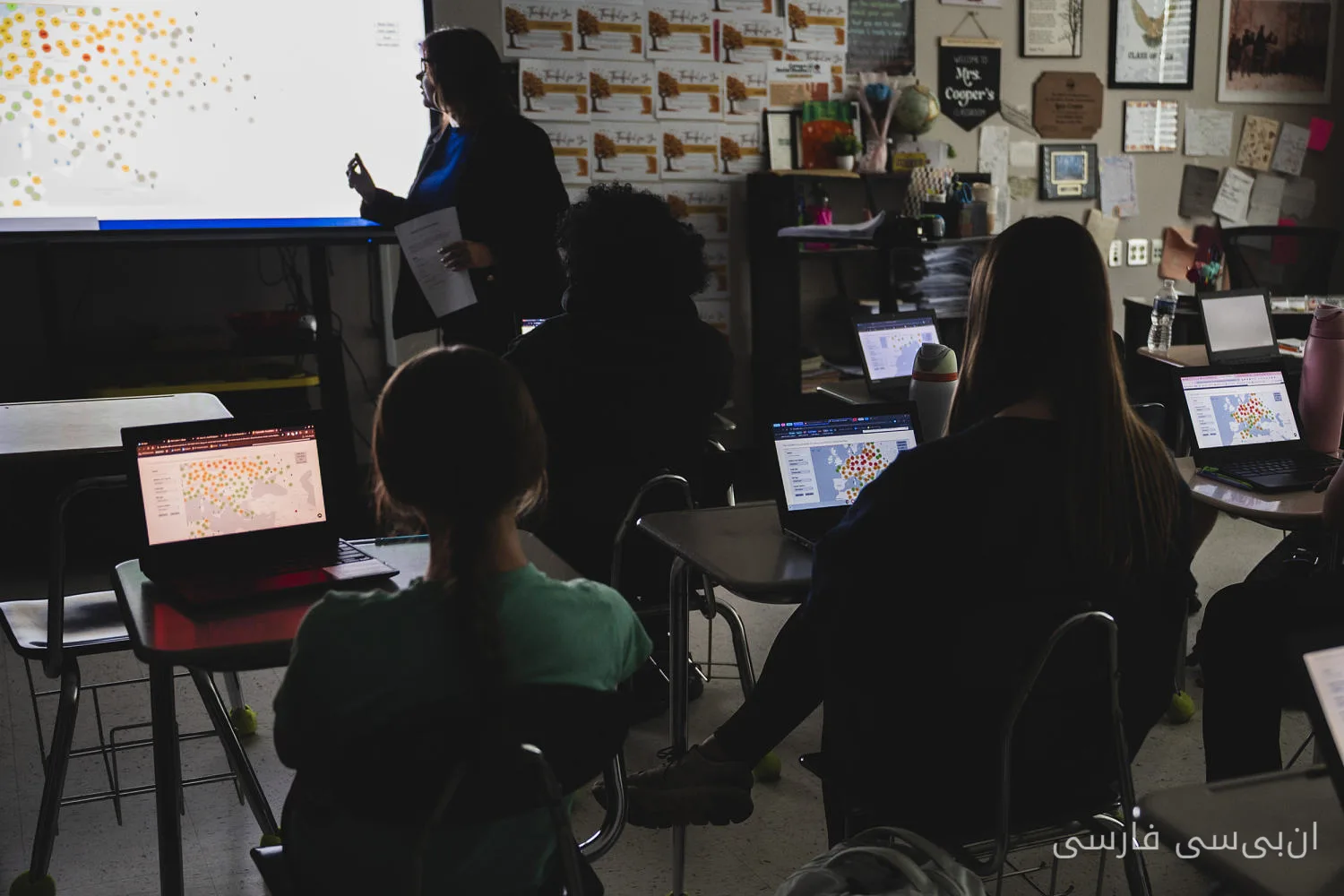
The majority of American adults believe that artificial intelligence (AI) causes more harm than good in education. The results of a recent survey show that 53% of adults believe AI harms K-12 education more, while only 27% believe this technology is more beneficial.
Concerns About the Use of AI in Schools
Concerns about the use of AI also exist in universities, where 54% of respondents believe that this technology causes more harm, and only 24% feel that it is more beneficial. Regarding student preparedness for the future, 44% of respondents said that schools integrating AI tools into the classroom can better assist students, while 56% believe that schools banning the use of AI can better prepare students.
Read more: AWS announced it cannot restore its services to centers in Bahrain and the UAE
Diverse Opinions on AI Applications
Respondents had diverse opinions on which applications of artificial intelligence are acceptable for completing school assignments. 49% of adults found the use of AI for editing and proofreading texts acceptable. 41% also deemed the use of AI for research and brainstorming permissible, and 38% said that using AI for organizing or outlining ideas is also acceptable. However, about one-third of respondents (31%) stated that no use of AI for schoolwork is acceptable, and only 7% said that students are allowed to use AI for writing and content creation.
The topic of using AI in the classroom has sparked debate across the country. Parents and advocates nationwide have expressed concerns about the use of AI, and some school districts have imposed restrictions. For example, New York City announced that the use of AI for students up to high school will be limited, with only specific cases permitted.
Melania Trump, the First Lady of the United States, stated in an interview that it is important for students to have hands-on experience with artificial intelligence, saying, "Of course, they need to be careful; but this is our future, and we need to guide and educate them." The recent survey was conducted among 7,105 adults online from August 20 to September 1, with a margin of error of 3.3%.
Read more: Anthropic and OpenAI propose AI evaluators · Mason City in Michigan debates proposed data center