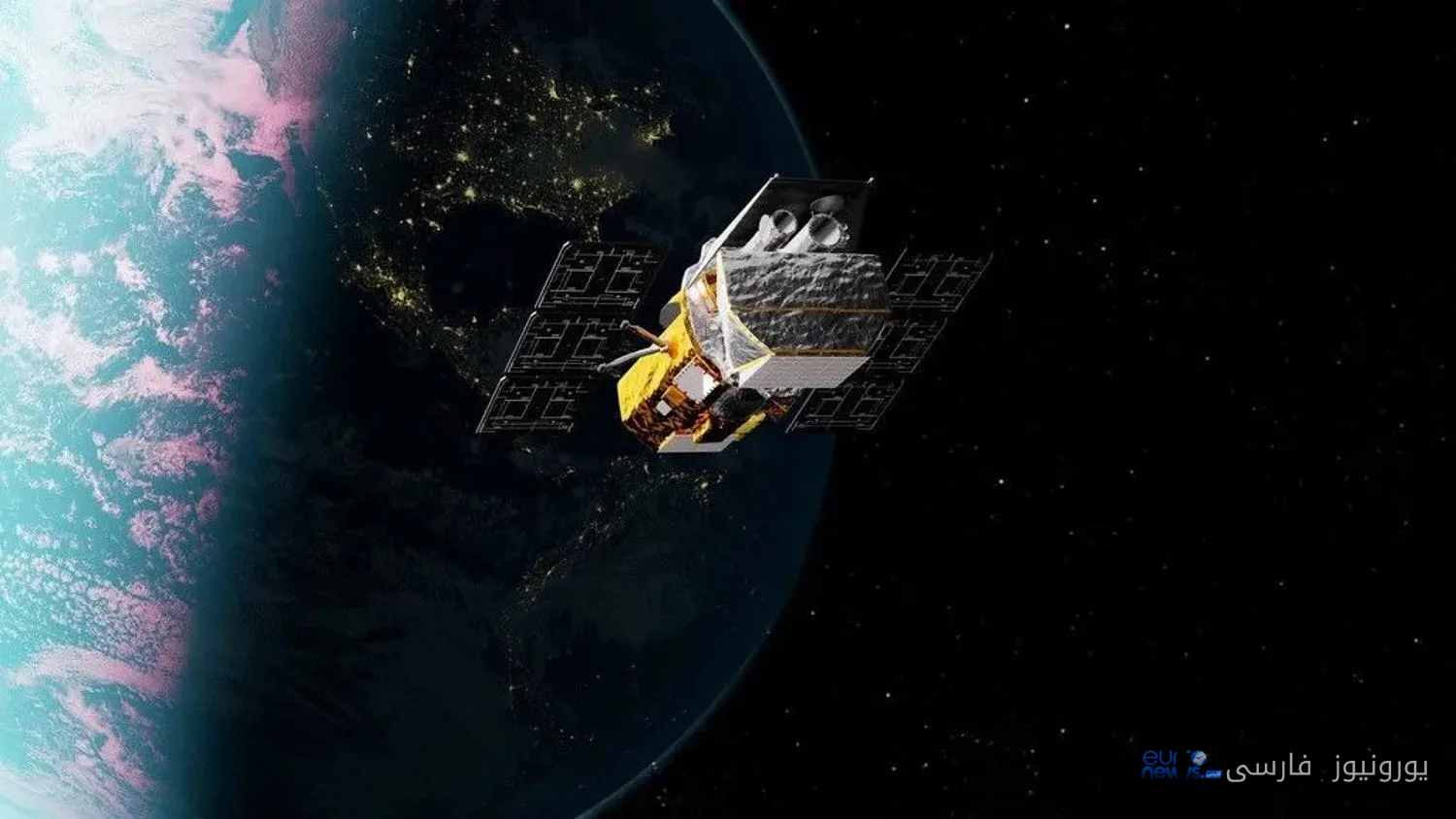
The NASA Swift space telescope, designed to observe celestial objects and identify high-energy explosions, is on the verge of collapse due to technical issues. The rescue mission for this telescope, specifically planned to prevent it from entering Earth's atmosphere, faced serious obstacles and did not succeed.
Why is Swift in Danger?
The Swift telescope, which has been operational since ۲۰۰۴, has gradually encountered technical problems and decreased efficiency. This telescope is recognized as one of the key tools in understanding cosmic phenomena such as supernovae and black holes. However, it now seems that its useful life has come to an end, and NASA's efforts to preserve it have failed.
The rescue plan included using another spacecraft to transfer Swift to a higher orbit, but due to unexpected issues in the technical systems of this spacecraft, the mission was completely halted. This failure not only means the loss of an important scientific tool but also raises serious questions about NASA's technological and managerial capabilities.
What Are the Consequences of This Failure?
The failure to save Swift could have widespread implications for space and scientific research. The Swift telescope has acted as a pioneer in observing celestial objects and has provided valuable information to scientists. Now that this telescope is at risk of falling to Earth, concerns about safety and the consequences of its entry into Earth's atmosphere have increased.
NASA must quickly assess the status of Swift and plan for the next steps. This incident will serve as a wake-up call for future space programs and may necessitate fundamental changes in current approaches.