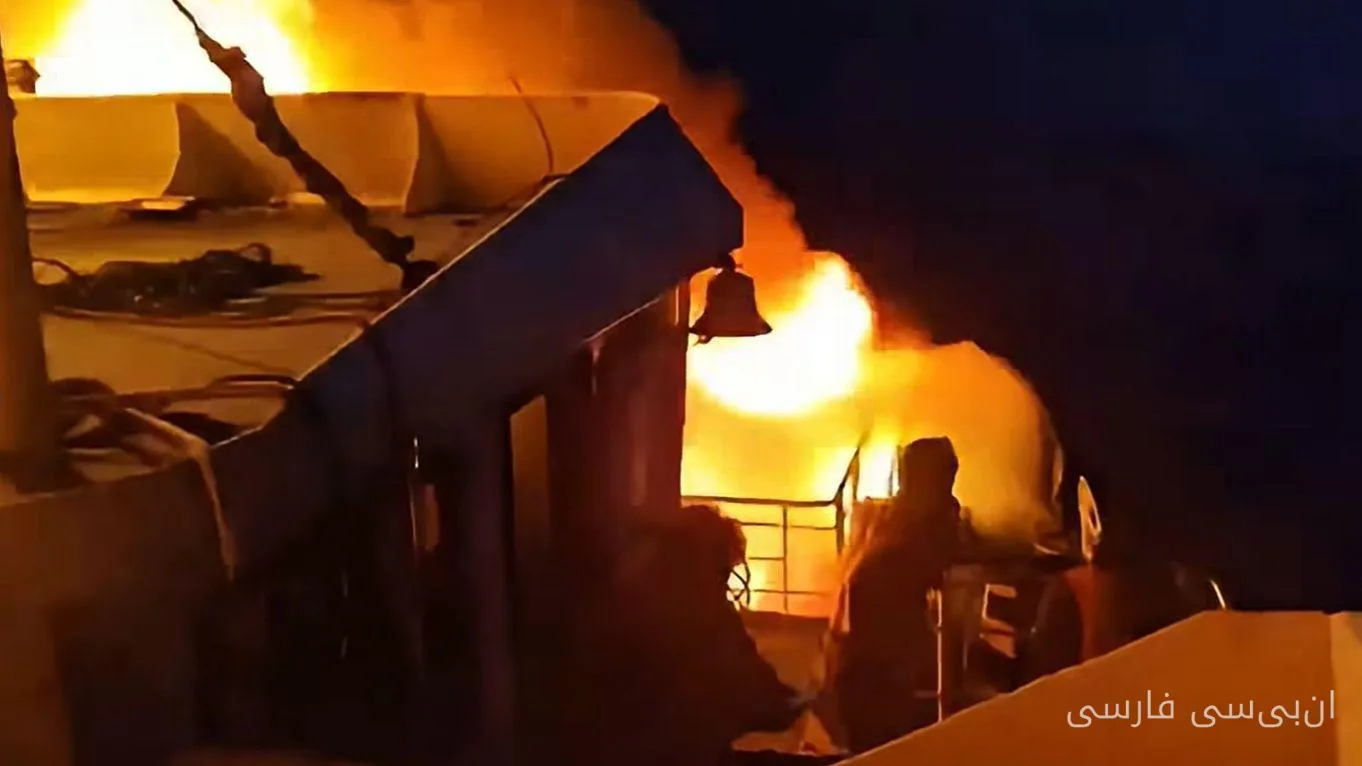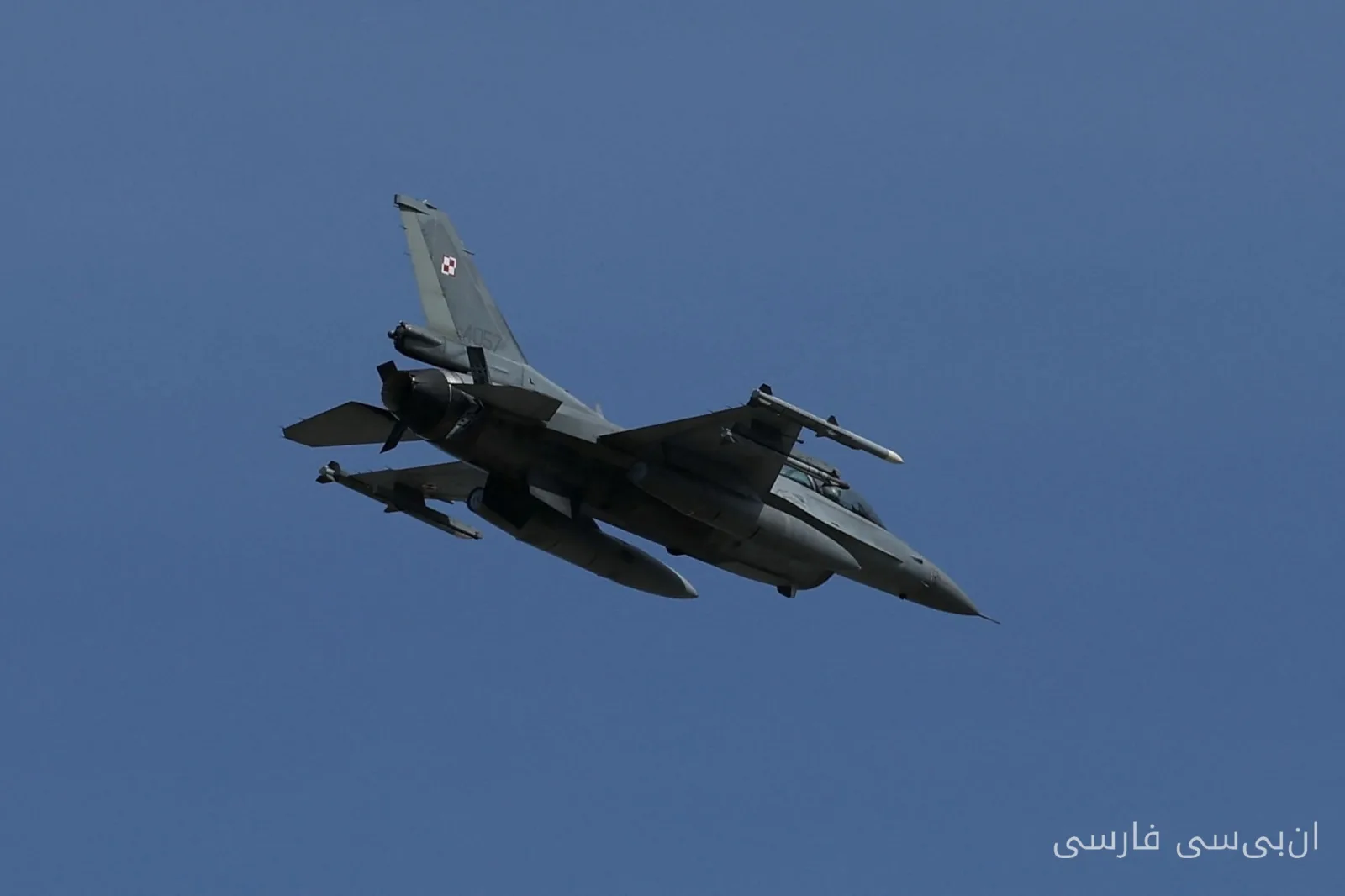
Following the increase in Russian drone attacks on Ukraine, NATO has decided to deploy its fighters in Poland. This action not only demonstrates NATO's firm support for Ukraine but also reflects a shift in security dynamics in Eastern Europe.
Escalation of Tensions and NATO's Response
Recent Russian attacks on Ukraine using advanced drones have raised serious concerns among Western countries. In order to counter these threats, NATO has moved its air force towards the eastern borders of Europe to prevent any kind of movement. These fighters have been stationed particularly in Poland, as a strategic point, to support the security of NATO allies in the region.
NATO leaders have emphasized the need to strengthen military presence in Eastern Europe in their recent meetings. This decision comes in response to growing concerns about Russia's intentions towards neighboring countries and the possibility of the war spreading to other areas. It seems that NATO wants to send a clear message to Moscow: any aggression against NATO member countries will be met with a strong response.
Possible Consequences and the Future of the Crisis
These developments occur while the situation in Ukraine remains critical, and it seems that the war will not end easily. The deployment of NATO fighters in Poland could lead to increased tensions and may also compel Moscow to change its strategies. This situation clearly illustrates the complexities of the war in Ukraine and its implications for global security.
Ultimately, we must wait and see what consequences these military movements will have and whether NATO will be able to maintain stability and security in this critical region.