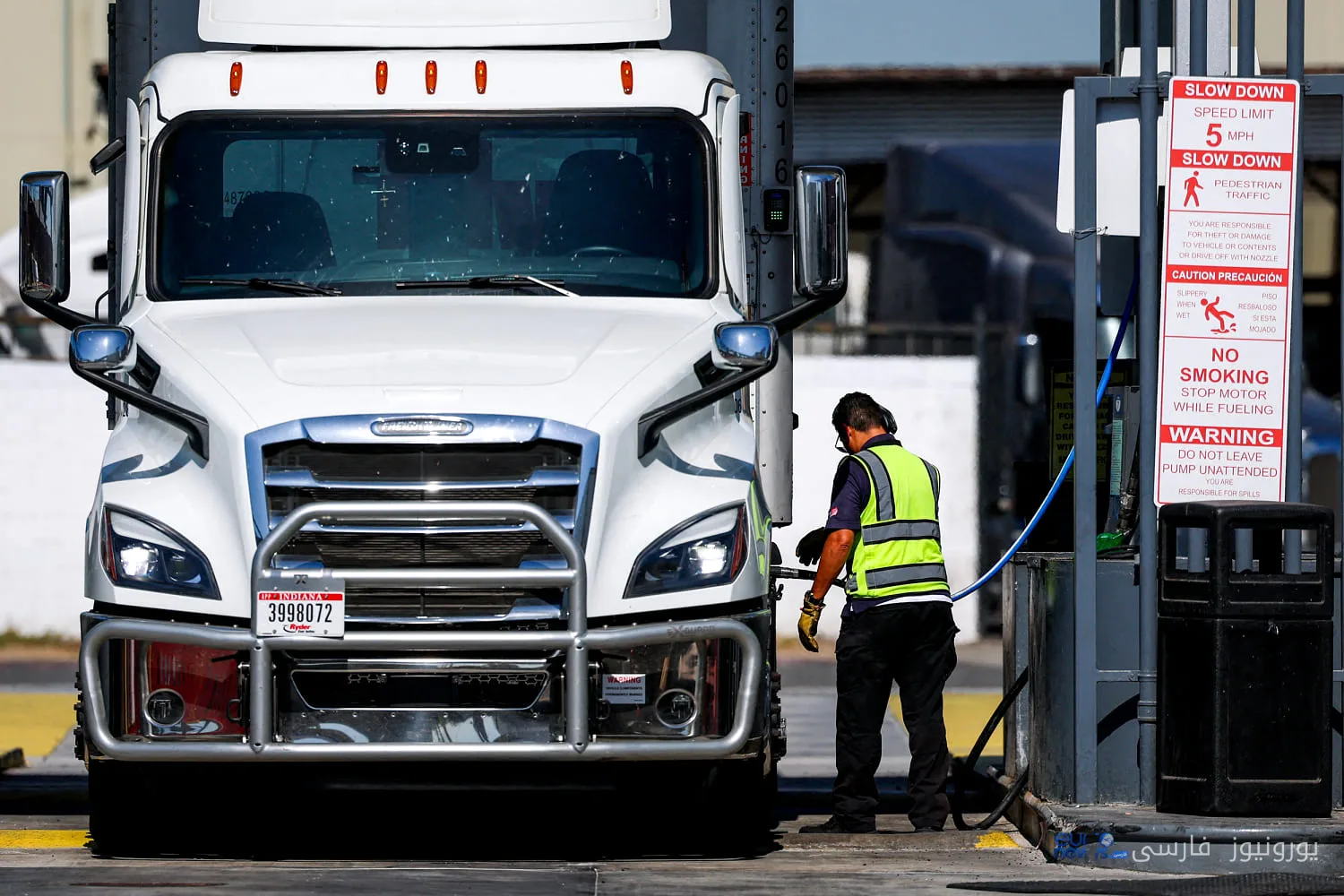
Crude oil prices have recently reached $۹۷ per barrel, drawing everyone's attention. Meanwhile, diesel prices, considered one of the most essential fuels needed in the transportation and agriculture industries, increased by ۹ cents in one night, reaching $۵.۷۸ per gallon.
Consequences of Fuel Price Increases
This price increase will not only affect people's daily lives but will also have widespread economic repercussions. Rising transportation costs mean higher prices for goods and services in the market. This could put additional pressure on households and businesses and ultimately impact inflation.
Analysts believe that multiple factors are involved in these price increases. From fluctuations in the global oil market to supply chain issues and high fuel demand in different seasons, each plays a role in this equation. It seems that the oil market is currently influenced by global political and economic uncertainties.
Concerns About the Future
Given the current trend, concerns about rising prices and their impact on daily life are increasing. Will governments and relevant authorities be able to take measures to control this situation? Or should we prepare for another energy crisis?
In these circumstances, it is essential for consumers and businesses to closely monitor the market situation and make decisions based on accurate and up-to-date information. Ultimately, responses to these changes could influence the future economic trajectory of countries.