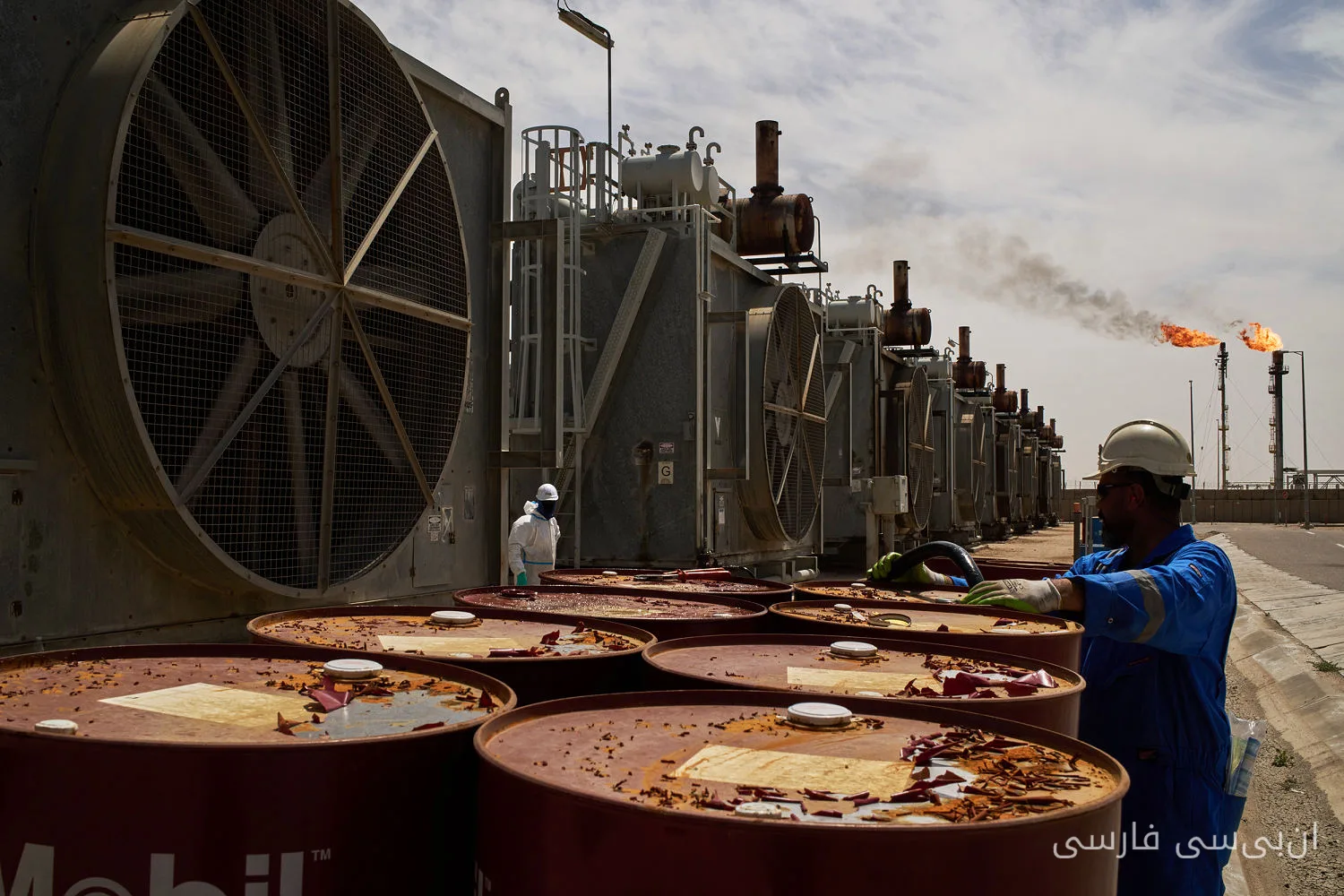
On Wednesday, oil prices reached the $۱۰۰ per barrel mark for the first time in several months. This sudden increase in oil prices followed escalating tensions in the Middle East, particularly in the relations between the United States and Iran. Analysts believe that these developments could have profound effects on global energy markets.
Reasons for the Increase in Oil Prices
Reports indicate that following recent developments, concerns about energy supply have increased, prompting investors to turn towards the oil market. Tensions in the Middle East, especially in military and political arenas, have led to rising prices and volatility in the global oil market. With the winter season approaching and global demand for energy increasing, this price rise could have significant impacts.
Economic Consequences
The increase in oil prices not only affects the energy industry but also directly impacts transportation costs, production, and ultimately the prices of goods and services. This situation may lead to inflation in various countries and put additional pressure on vulnerable economies. In this context, oil-importing countries will face serious challenges and may be forced to adopt new measures to control prices.
However, some analysts believe that the rise in oil prices could be an opportunity for oil-producing countries to optimize their resources and contribute to their economic development. Nevertheless, this situation is always accompanied by specific challenges and risks, requiring careful monitoring and management.