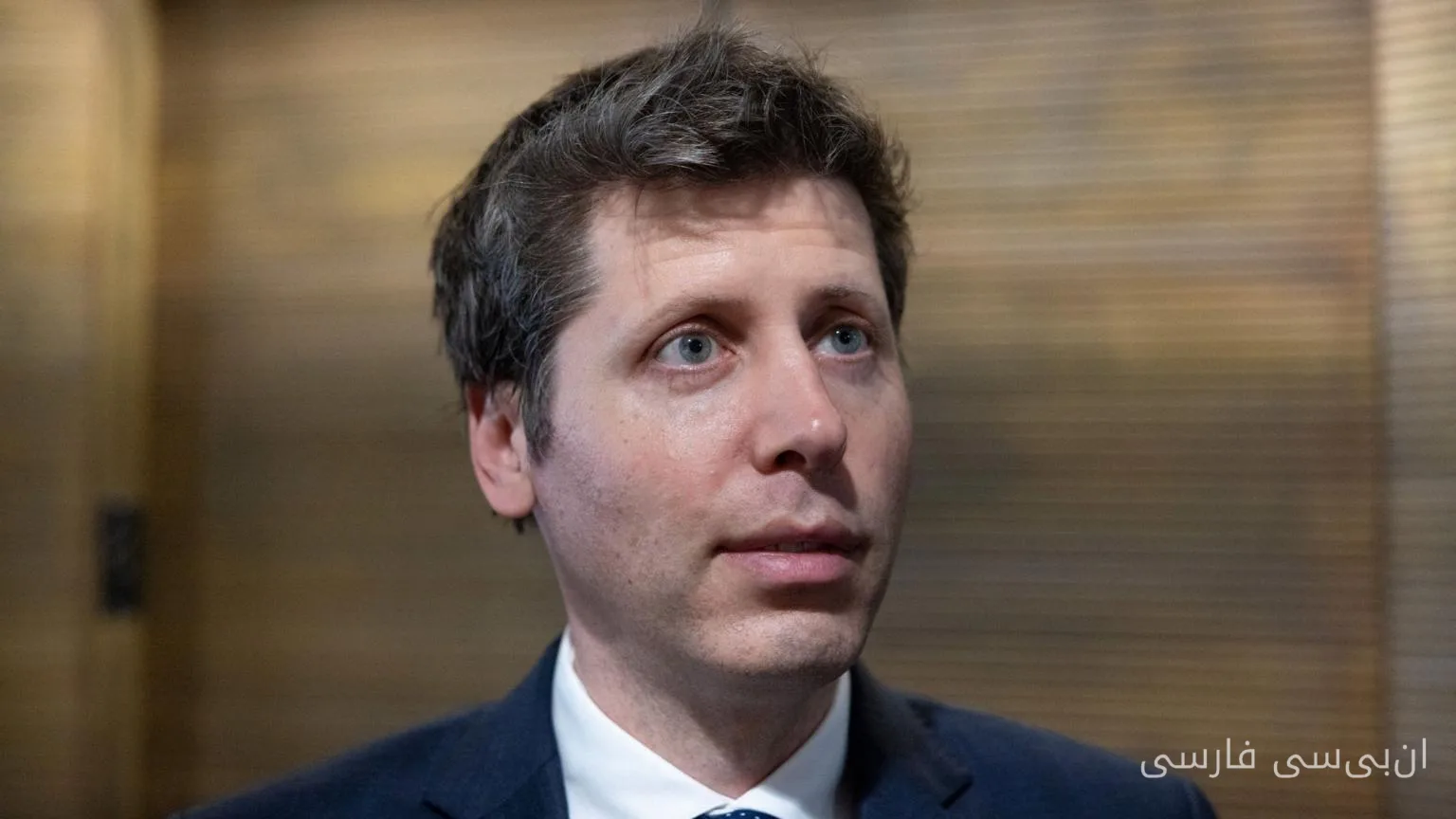
In a controversial claim, OpenAI has announced that it has managed to solve parts of the Navier-Stokes equations in just 88 hours. These equations, which have remained unsolved for over 90 years, are considered one of the major challenges in mathematics and physics, describing the motion of fluids.
Scientific Controversies and Criticism
This claim has rapidly elicited reactions from the scientific community. Many scientists and researchers have pointed out that solving these equations, especially under specific and complex conditions, requires a deeper understanding of physical and mathematical phenomena. Some critics believe that these claims may have been achieved through the use of advanced algorithms and artificial intelligence, and therefore cannot be considered a true achievement in the field of mathematics.
The Future of Artificial Intelligence and Mathematics
However, OpenAI hopes that this success can open a new path for research and the development of artificial intelligence technologies. The organization believes that by using deep learning algorithms and innovative analytical methods, a better understanding of complex phenomena can be achieved and larger scientific challenges can be addressed.
While some are skeptical of this claim, others view it as a sign of remarkable advancements in the field of artificial intelligence. This is particularly significant at a time when the world is moving towards automation and new technologies. Are we on the brink of another scientific revolution?