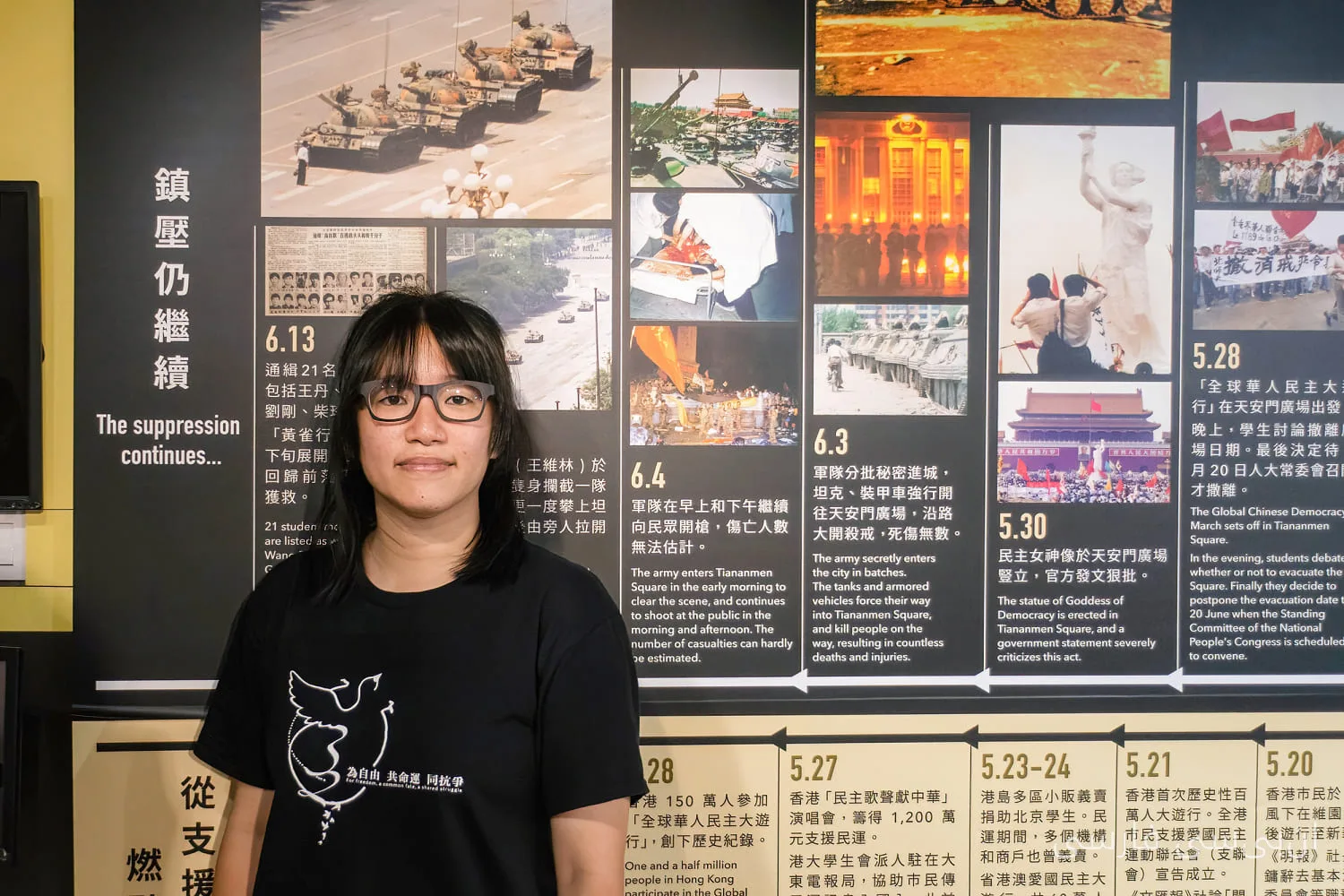
In a controversial and thought-provoking move, three democracy activists in Hong Kong have been sentenced to prison for holding annual memorials for the victims of the Tiananmen Square crackdown in 1989. This ruling was issued on Friday under the national security law, a law that critics say has severely restricted freedom of expression and the right to protest in the region.
Suppression of Democracy in Hong Kong
These activists, who have been holding memorial ceremonies for Tiananmen victims for years, now face severe consequences. Organizing these events, as an act of protest against the repressive policies of the Chinese government, has always faced strong reactions from officials. In fact, this action not only serves as a reminder of the tragic events of 1989 but also symbolizes the people's will to remember history and fight for their rights.
The national security law allows the Chinese government to easily silence dissenting voices and puts many activists and civil groups under pressure. Given these circumstances, the prison sentence for these three activists sends a strong message to other democracy advocates in Hong Kong and around the world: any action to remember history and protest against oppression will come with heavy consequences.
An Uncertain Future
As this trend continues, the future of democracy and human rights in Hong Kong will be severely affected. Human rights activists and international observers are concerned that such rulings may only be the beginning of a new wave of crackdowns. While these three activists have been sentenced to prison, many questions arise about the future of civil liberties in Hong Kong and whether the people will be able to continue their struggles.
Meanwhile, the international community must also focus on this issue and support human rights and fundamental freedoms. The reality is that silence in the face of these crackdowns will only exacerbate the current situation, and it is time to amplify the voices of those fighting for justice more than ever.