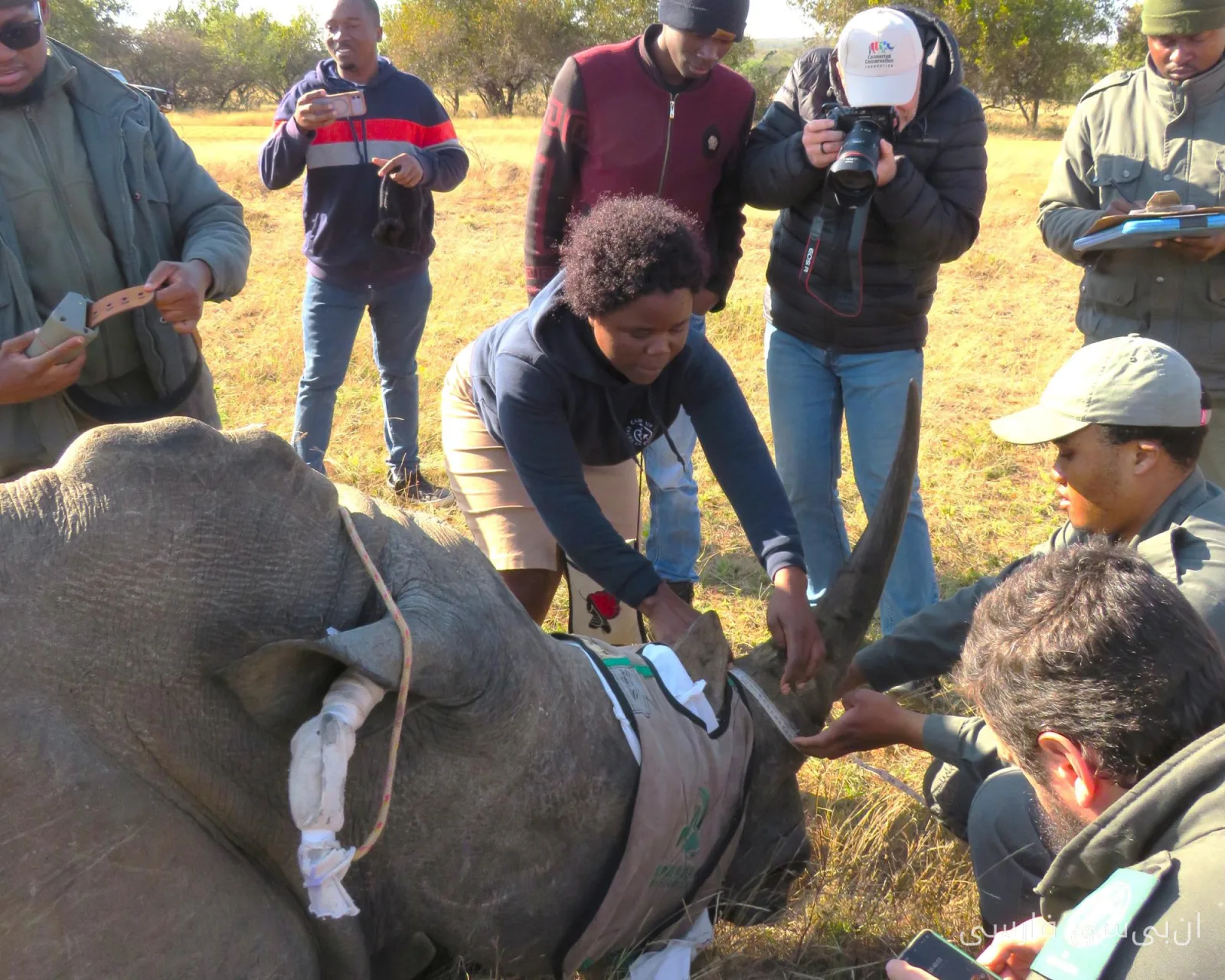
On a cold and ruthless night in the Lapala Nature Reserve in the Lipomo province, environmental conservation experts from Africa have gathered to seize an opportunity for learning and innovation. Among them, Duncan Kanyaker from Kenya watches as a thermal drone takes off, flying through the dark sky in search of a lone cheetah. This training course is where graduates from 11 African countries, from Benin to Madagascar, have come together to learn modern wildlife conservation techniques.
Convergence of Technology and Conservation
These students, who have arrived here through an online training program for protected area technicians, are deeply impressed by the power of modern technologies in environmental conservation. Drones, recognized as key tools in tracking and monitoring wildlife, allow conservationists to more effectively tackle existing challenges.
These innovations not only help in tracking endangered animals but also assist in protecting the complex ecosystems in which these animals live. By using data collected by drones, experts can conduct precise analyses and make better decisions for the preservation of these natural resources.
A Bright Future for Wildlife
The presence of members of the Peace Parks team in this training course reflects a serious commitment to creating positive changes in nature conservation. By training and equipping those on the front lines of wildlife protection, these efforts can help save endangered species and preserve biodiversity.
It seems that a bright future awaits Africa's wildlife, where technology and environmental conservation work hand in hand to create a more sustainable world.