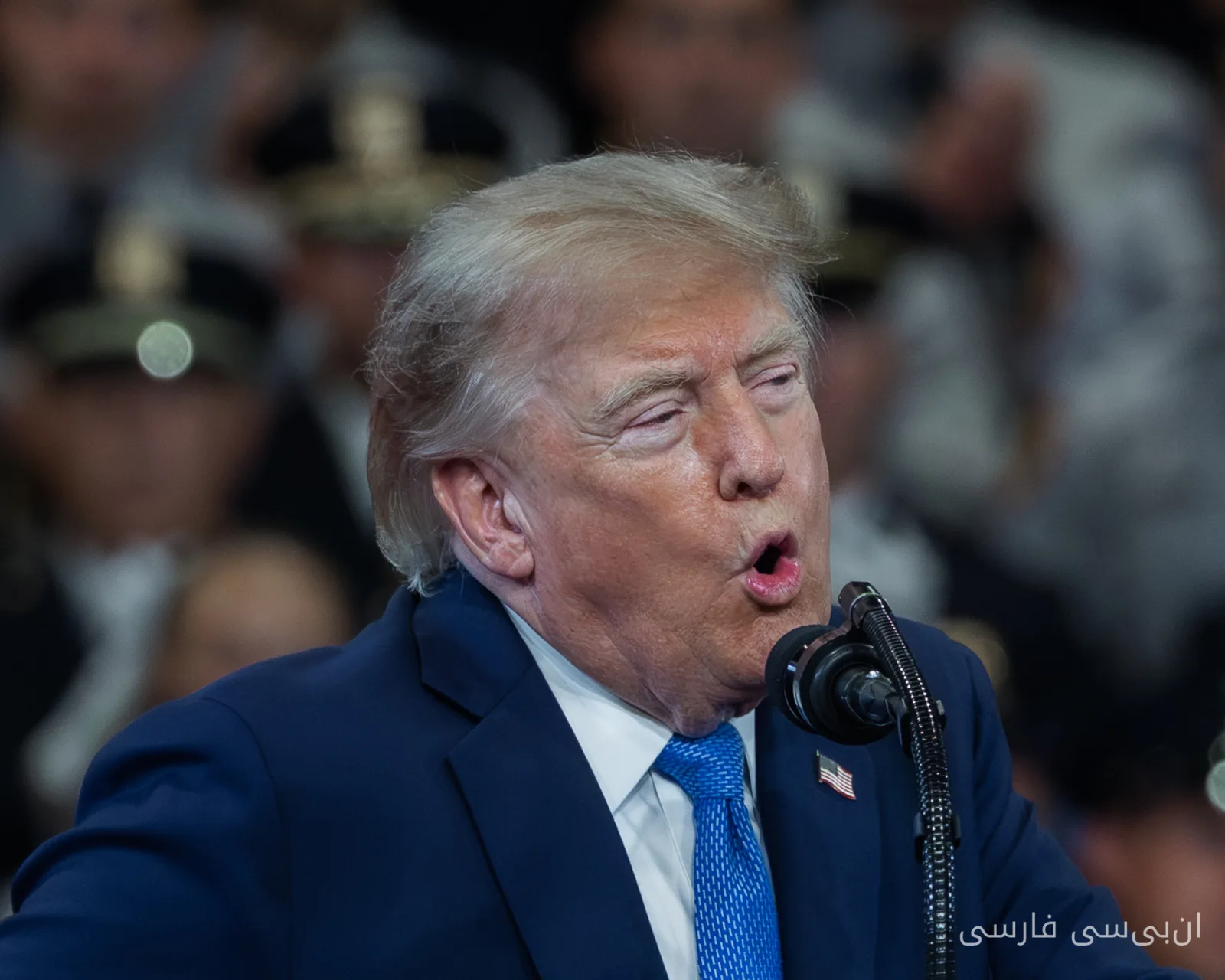
In a recent interview, the former President of the United States made statements that could be considered a serious warning for the relations between Britain and America. He explicitly stated that he might not provide the necessary support to Britain in the event of an Argentine invasion of the Falkland Islands. These statements indicate a significant decline in what is known as the "special relationship" between the two countries.
History of British-American Relations
The relationship between Britain and the United States has historically been referred to as the "special relationship," a term first coined by Winston Churchill. Throughout history, these two countries have stood together in many crises and wars; from the Korean War to the wars in Iraq and Afghanistan. However, this support has not always been mutual, and at times, America has not assisted Britain, such as during the Suez Crisis in 1956.
In 1982, when Argentina invaded the Falkland Islands, the Ronald Reagan administration significantly supported Britain in terms of intelligence and logistics. Now, however, it seems that such support is fading, and Trump's recent statements clearly highlight this issue.
Consequences of Trump's Statements
These statements from Trump not only indicate changes in American foreign policy but can also be seen as a sign of weakening historical alliances. Although British-American relations have never been flawless, such statements could lead to further erosion of mutual trust between the two countries. Especially at a time when global threats and new challenges are rapidly increasing, such attitudes can have serious consequences for security and stability on an international level.
Ultimately, it seems that the special relationship between Britain and America is on the verge of a fundamental change. Could these statements become a turning point in the history of relations between these two countries? Time will tell.