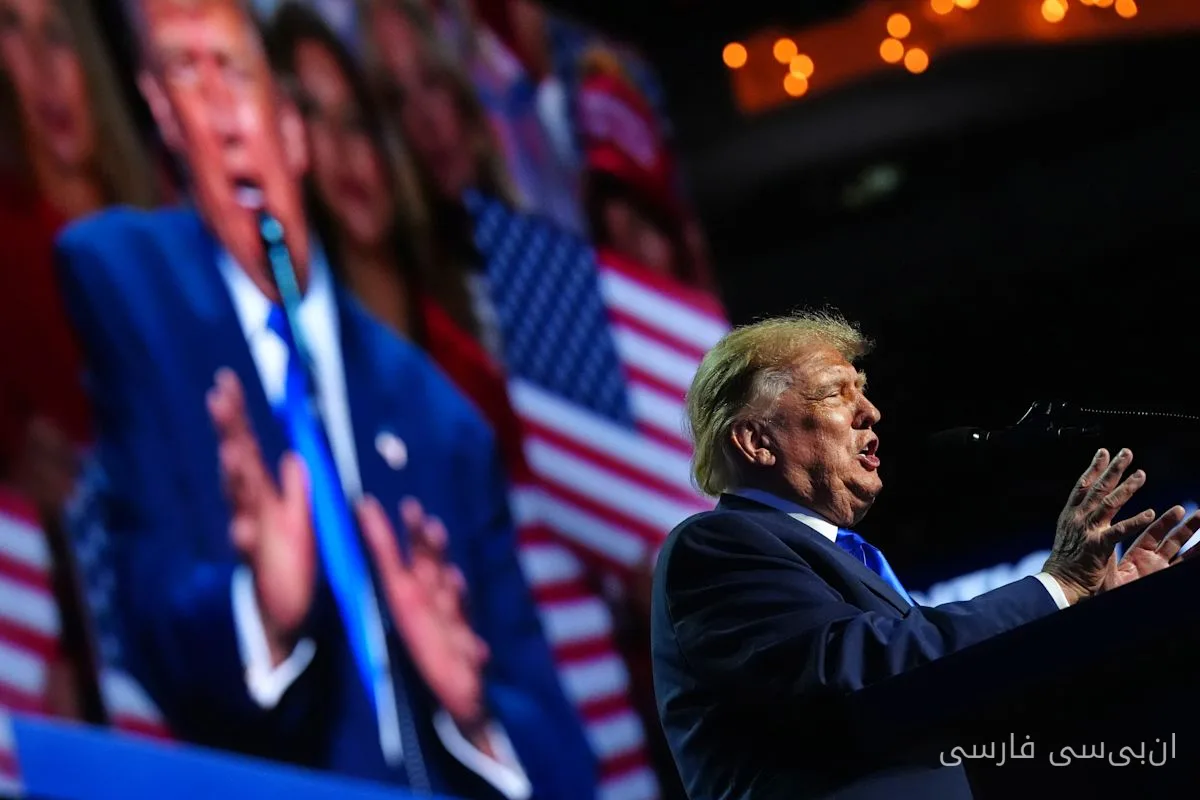
The administration of Donald Trump, the former President of the United States, has recently proposed a program to send financial assistance to American citizens. This idea, which has been put forward to support people in difficult economic conditions, has faced mixed reactions from Congress and economists.
Concerns About Economic Impacts
Some economists are deeply concerned about the consequences of this decision. They believe that sending financial assistance to citizens could lead to increased inflation and harm the economy in the long run. In fact, they emphasize that such support should be designed in a way that not only helps improve individuals' financial situations but also prevents the emergence of more serious economic problems.
On the other hand, members of Congress have also shown mixed reactions to this proposal. Some believe that this assistance could be beneficial in the short term, but at the same time, there are concerns about funding and its long-term effects. These differing opinions reflect the significant challenges facing American policymakers.
Alternative Proposals
Amid these discussions, some economic experts have suggested that instead of sending direct cash, the government could invest in educational and job creation programs. This type of approach could help individuals benefit from government financial support in a more independent and sustainable manner.
Ultimately, despite all the discussions and debates, it seems that this issue will remain at the center of attention for the media and policymakers. Trump is seeking to garner public support with this idea, but will this plan become a reality or remain just a controversial idea?