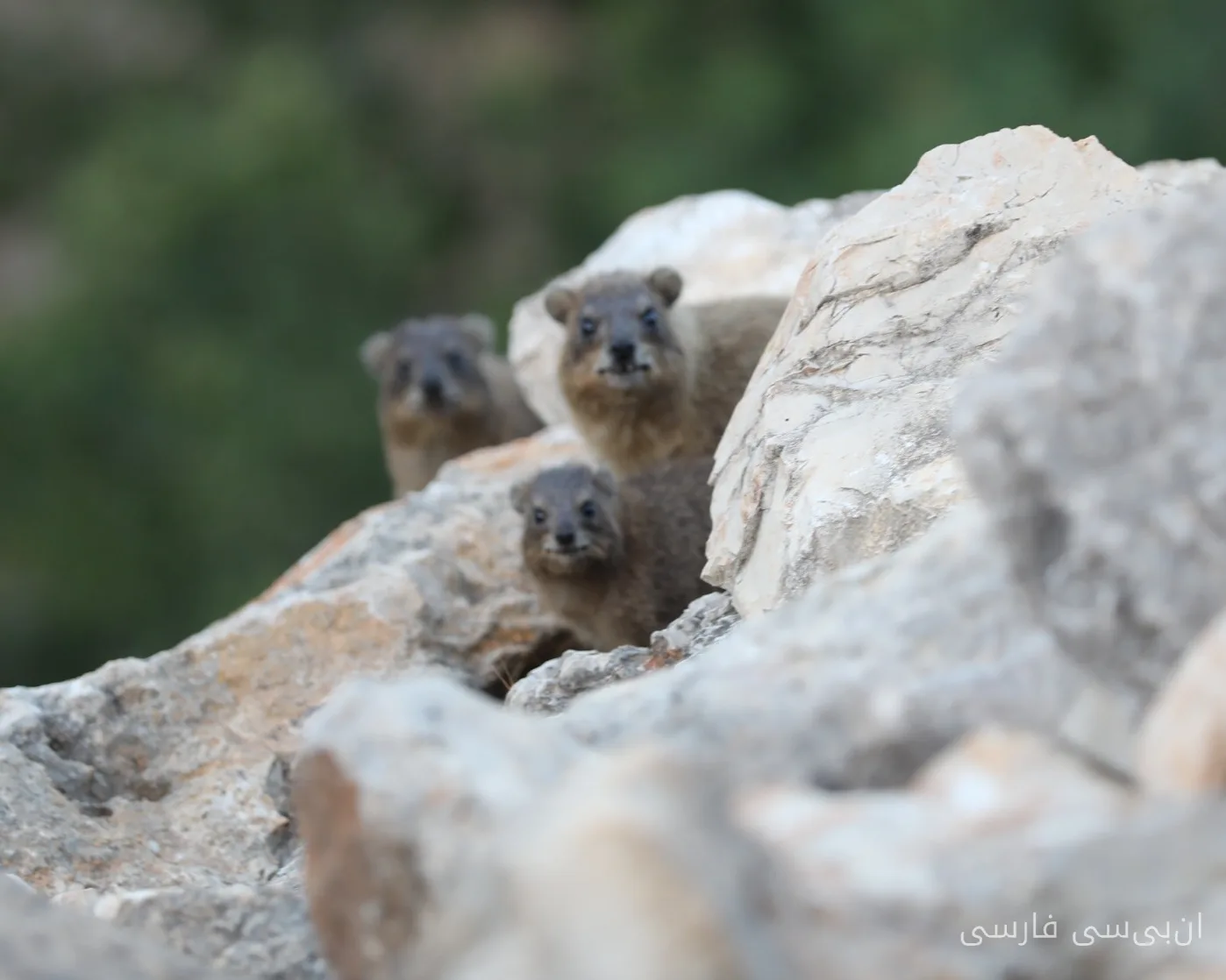
In the heart of wars, the number of casualties, destroyed homes, and devastated villages usually takes center stage. However, what lies beneath the rubble is just as important as this human tragedy. In southern Lebanon, repeated explosions not only tell bitter human stories but also damage the ancient habitats that have been a refuge for the Syrian hyrax for centuries.
Destruction of Historical Habitats
The Syrian hyrax, this small and furry creature, depends on fragile border landscapes. War not only affects human lives but also endangers the lives of these creatures by destroying forests and delicate ecosystems. As the founder of an environmental organization, my colleagues and I are working to document the devastating effects of war on forests, wildlife, and vulnerable ecosystems in this region.
As the war unfolds, we are witnessing profound changes in nature. While war and explosions destroy human lives, the future of species like the Syrian hyrax is in serious jeopardy. These creatures are dependent on specific locations, and any change in their habitat can lead to their extinction.
Looking to the Future of War and the Environment
While the media usually focuses on the human aspects of war, we must remember that wars have dire environmental consequences. We need to acknowledge the reality that wars not only affect human lives but also harm ecosystems, and this can impact future generations.
In conclusion, wildlife and ecosystem conservation must be an integral part of any effort to end wars. We must remember that wars leave behind not only human devastation but also have deeper effects on nature and its habitats.