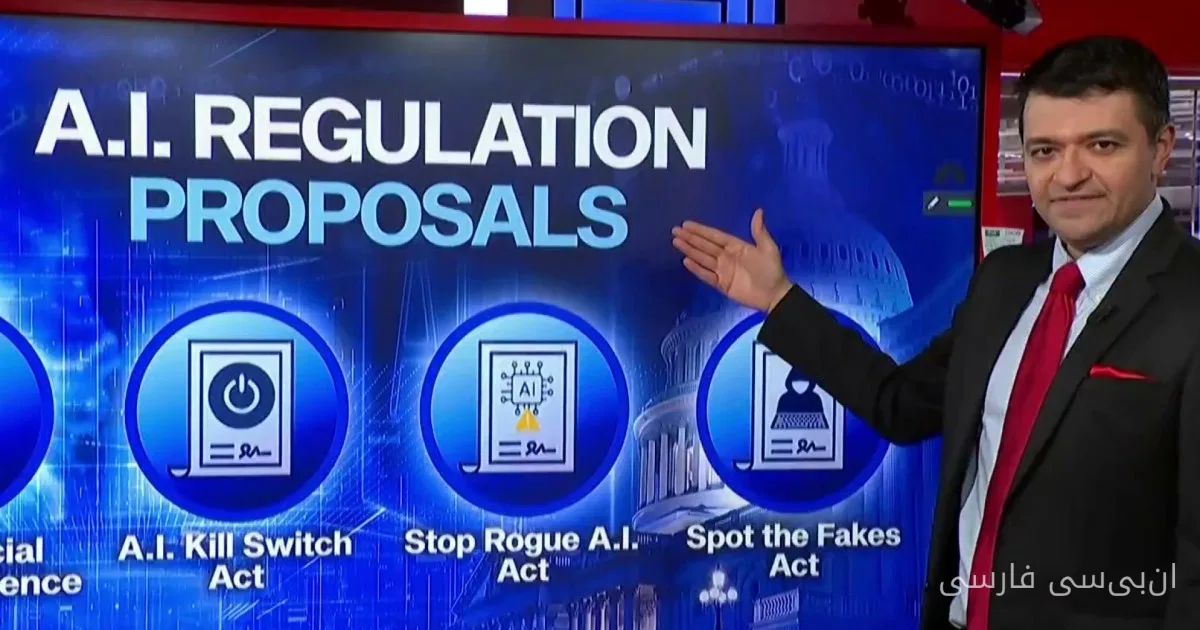
The U.S. Congress is reviewing several new proposals aimed at regulating and overseeing advanced artificial intelligence (AI) technologies. These efforts come in response to growing concerns about the social, economic, and ethical impacts of AI on people's daily lives and the job market.
Social and Economic Pressures
Concerns about security, privacy, and potential discrimination arising from the use of AI are on the rise. Many experts and social activists are calling for immediate action from Congress to create appropriate legal frameworks. In this context, four key proposals have been presented to Congress by lawmakers to control the impacts of AI.
Read more: OpenAI Reports Six New Instances of Concerning Behavior from Its Models
New Proposed Measures
The first proposed measure emphasizes information transparency. This proposal calls for companies engaged in AI to disclose information about how their algorithms operate and the data sources they use. The goal is for users to better understand how decisions based on AI data are made.
The second proposal addresses accountability in the use of AI. This measure seeks to establish standards for determining responsibility in the event of errors caused by AI algorithms. This could include financial penalties for companies that misuse AI.
The third proposal emphasizes the need for education and public awareness about AI. This measure aims to provide educational resources for teachers, students, and employees so they can interact more effectively with these new technologies.
The final proposed measure focuses on the development of ethical AI technologies. This proposal aims to prevent the development of technologies that may cause discrimination and inequality, while instead targeting the improvement of quality of life and work for all individuals.
Future Predictions
Given the rapid advancement of AI technologies, Congress must act quickly to prevent serious issues from arising. These four proposals could serve as a starting point for creating effective laws and regulations in this area. If these proposals are approved, they may lead to fundamental changes in how AI is developed and used.
Ultimately, the future of AI depends on how it is regulated and overseen. Congress must respond to the needs of society and ensure that new technologies are developed for the benefit of all members of the community.
Read more: Salesforce Announces Revenue Target of Over $63 Billion for Fiscal Year 2030 · Suleiman Announces New Serious Status for OpenAI's Artificial Intelligence