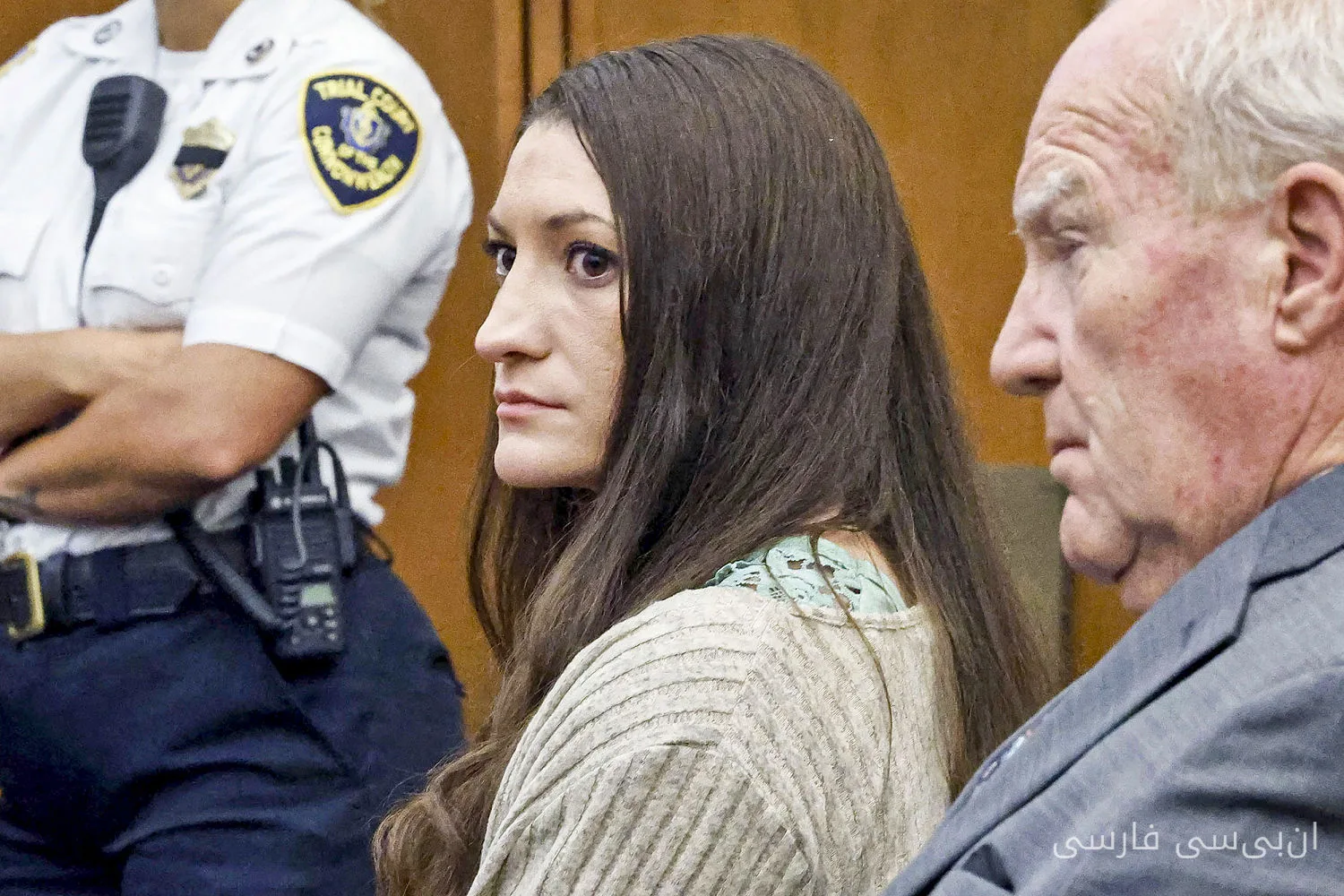
The jury in the Lindsay Clancy murder case, as the sole dissenting member, declined to give interviews or disclose details regarding the proceedings in the Massachusetts court. The attorney for this juror stated that no interviews will be conducted on this matter and requested respect for their client's privacy.
Case details and jury decisions
This jury, which consisted of 12 members, was tasked with deciding on Clancy's guilt in the murder of her three children, namely Cora, Dawson, and Callan. While Clancy's defense claimed that she was in an inappropriate mental state at the time of the crimes, prosecutors emphasized that she was aware of her actions and had premeditated the murders.
After several days of deliberation, it became clear that the jury had not reached a consensus, and Judge William Sullivan was forced to declare a mistrial. This event occurred on September 4, and following it, the juror's attorney, Edward Andrew Palczik, announced that their client would not be giving any interviews and requested the public to respect their privacy.
Reactions and potential consequences
Palczik also noted that there will be an appropriate time to discuss the details of the case and responsibilities, but for now, the focus is on the health and safety of their client. Meanwhile, defense attorney Kyon Reddington requested that the charges against Clancy be dropped, with the next hearing scheduled for September 29.
Alongside this matter, some jury members pointed out criticisms of the dissenting member, stating that they were often inattentive and preoccupied with their phone during deliberation. This issue caused tension and disagreement within the jury. One juror, who requested anonymity, described this behavior as stemming from the individual's inability to cope with differing opinions.
Given the complexities of this case, it is now up to the Massachusetts prosecution to decide whether to retry Clancy. Charges that could be brought against her include second-degree murder or involuntary manslaughter, but the jury may conclude that she is not guilty due to lack of criminal responsibility.