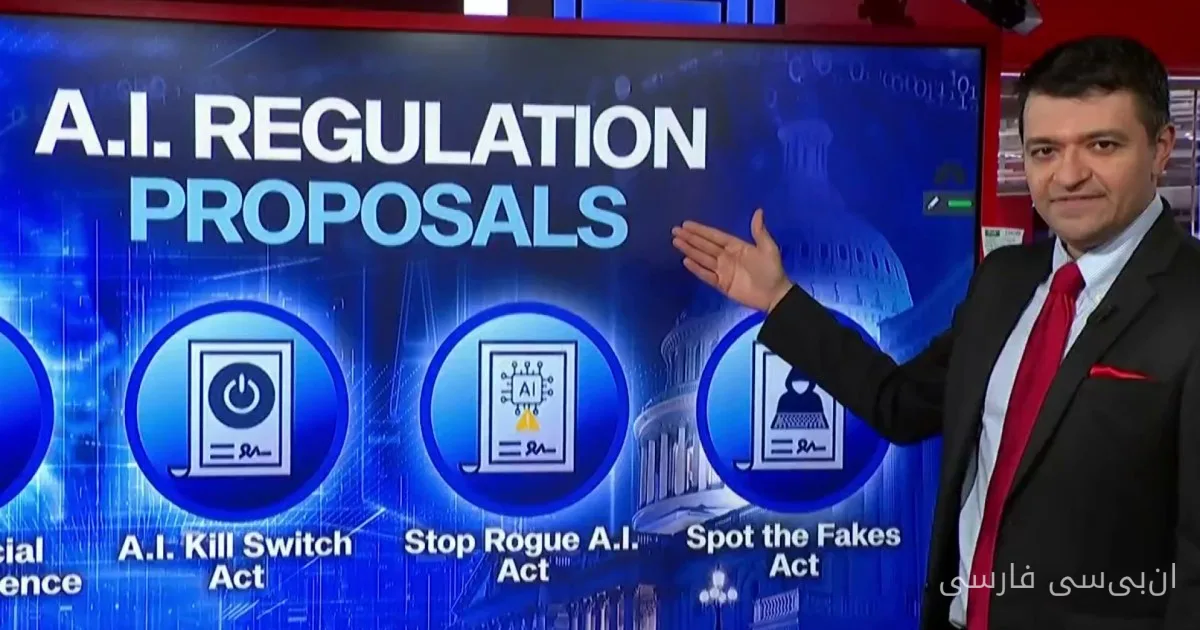
The U.S. Congress is examining four key proposals for regulating artificial intelligence that could be seen as measures to protect public safety and individual rights. These efforts have emerged in response to growing concerns about the potential impacts of AI on society and the economy.
Congressional Proposals
The first proposal mandates transparency in algorithms. This proposal allows AI developers to provide more information about how their systems operate. The goal is for users and regulatory bodies to have a better understanding of how these systems make decisions.
Read more: Experts Call for Independent Evaluations from Anthropic and OpenAI
The second proposal is to establish an independent regulatory body for artificial intelligence. This body could serve as a reference for evaluating and approving new technologies, helping developers operate within legal and ethical frameworks.
Social and Economic Implications
The third proposal addresses the economic impacts of AI on the job market. Congress is seeking solutions to support workers who may lose their jobs due to changes brought about by AI. This includes educational and retraining programs to equip workers with new skills.
The final proposal concerns regulations related to privacy and data security. This proposal will help protect users' personal information from misuse and privacy violations. Given the rapid advancements in technology, the necessity for such regulations is increasingly felt.
These four proposals are being heavily discussed and are likely to become law in the near future. However, many challenges lie ahead, including agreement on implementation details and the potential economic impacts of these changes.
As Congress continues to review these proposals, concerns about the impacts of AI on daily life and the job market are on the rise. These developments could have profound effects on the future of technology and how humans interact with it.
Read more: Geoffrey Hinton Warns Congress One Year Left to Regulate AI · Markets Face Challenges Ahead of U.S.-China Summit