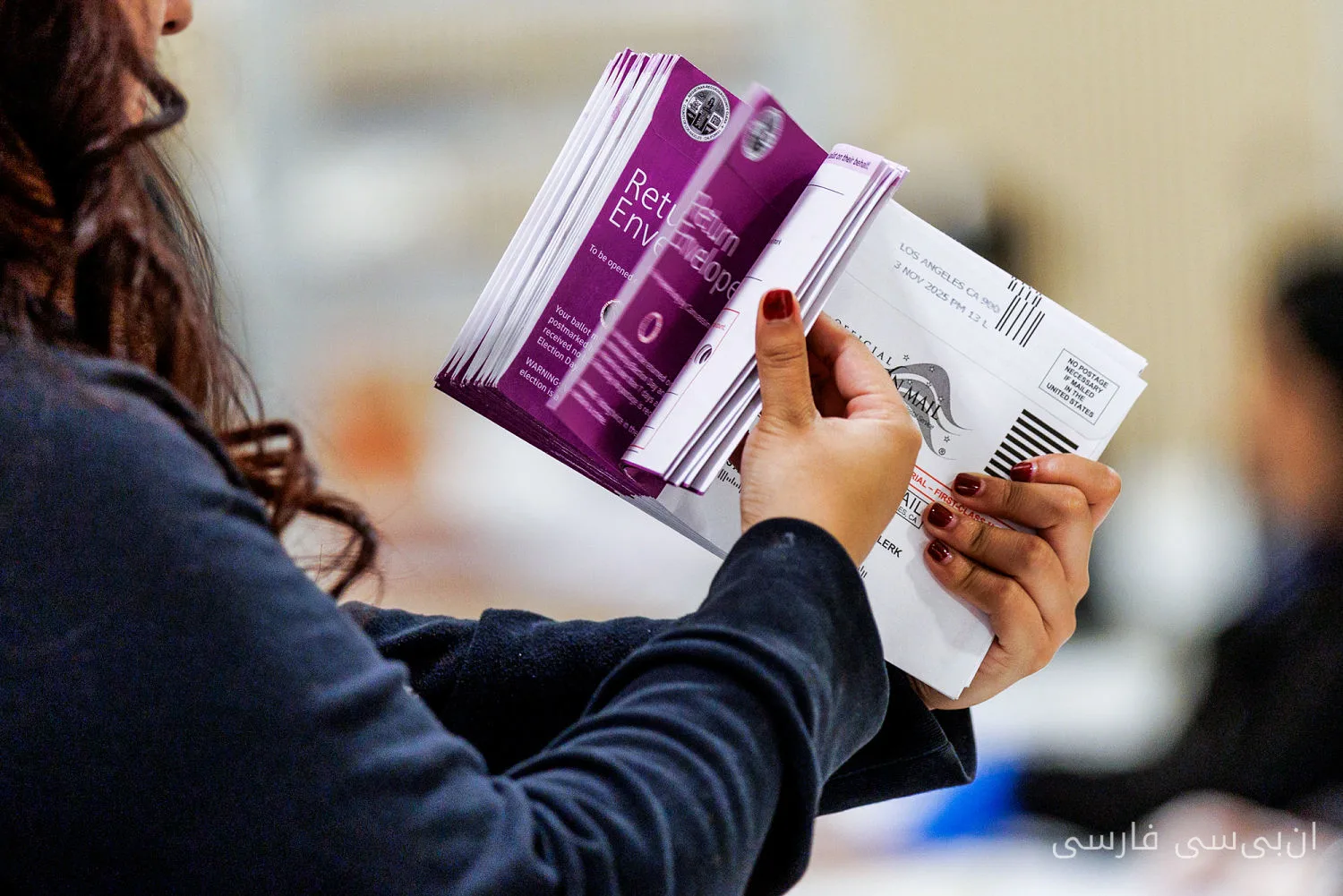
The U.S. Supreme Court on Monday issued a ruling that blocked the implementation of new mail voting regulations that President Donald Trump sought to impose federal control over the midterm elections. This ruling rejected the Trump administration's emergency request to prevent a lower court's ruling that stated these regulations were likely illegal.
Details of the Supreme Court Ruling
The court appears to have split with a 7-2 vote, in which two conservative justices, Clarence Thomas and Samuel Alito, dissented. The proposed regulations would create new requirements for states in sending mail ballots to voters. Typically, the postal service has no role in this area.
Read more: California Governor Decides Not to Participate in 2028 Elections
Implementing these significant changes just weeks before the elections could have created major problems, and supporters of these regulations were concerned that it would make voting more difficult for millions of Americans. Time was running out for the implementation of these regulations, as North Carolina had sent out ballots on September 4, and other states were following suit.
Reactions to the Supreme Court Decision
Challengers, including various states especially California and nonprofit advocacy groups like the League of Women Voters, stated that these regulations could create unnecessary disruptions before the elections and hinder people's ability to vote. Rob Bonta, California's Attorney General, said in a statement, "Today's decision is a victory for our democracy and a strong affirmation of the rule of law."
In a separate statement, Selina Stewart, CEO of the League of Women Voters, described the regulations as "an extraordinary attempt to interfere with voting in all 50 states." The White House did not immediately respond to requests for comment.
Trump has repeatedly objected to the widespread use of mail voting and made unsubstantiated claims about fraud in the electoral system. Under these new regulations, states would have to send lists of eligible voters to the postal service, which would then confirm whether ballots are sent to individuals on that list.
Alito stated in his dissent that the federal government has more legitimacy in this area. He noted that the concerns of states about the practical difficulties of these regulations made him think, but those concerns were not enough for him to change his judgment.
Justice Brett Kavanaugh, another member of the court's conservative majority, stated in a brief opinion that the postal service may have the authority to issue these regulations, but added that due to the proximity to the elections, these regulations should be halted.
Read more: Trump Says the U.S. May Hold Iranian Oil Like Venezuela · Is Tehran Getting Closer to a Nuclear Bomb?