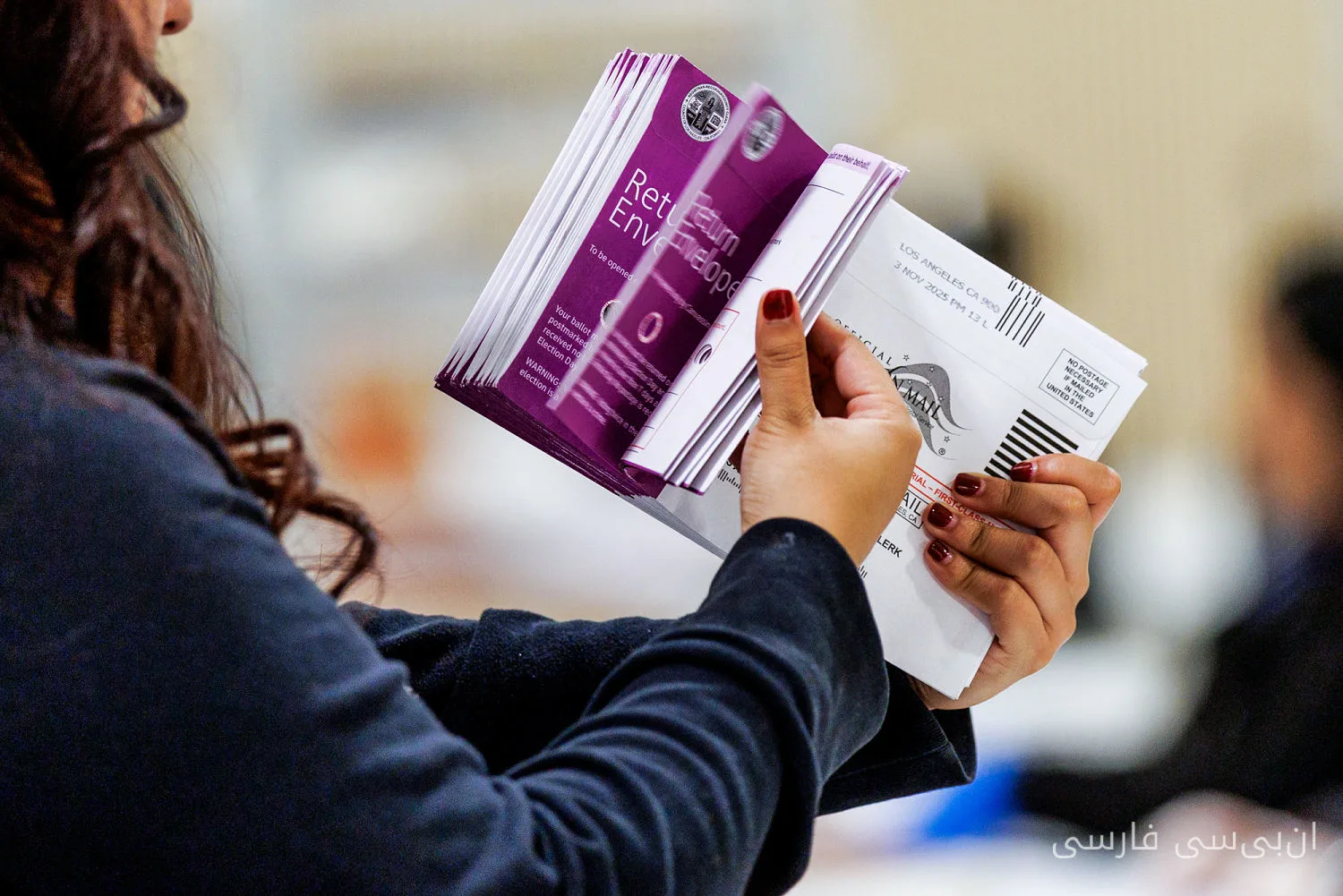
The U.S. Supreme Court rejected Donald Trump's request to overturn the mail-in voting ban of the United States Postal Service. This decision is particularly significant ahead of the 2026 midterm elections, which may have a substantial impact on the voting process and public participation.
Details of the Supreme Court's Decision
In this decision, Justice Brett Kavanaugh stated that enforcing the United States Postal Service law in the upcoming elections would be "unreasonable and hasty." These remarks reflect serious concerns about the potential impacts of this law on the electoral process. Trump's request came in the wake of numerous criticisms and challenges regarding the efficiency and legitimacy of mail-in voting, which became a hot topic especially during the COVID-19 pandemic.
Read more: The U.S. Supreme Court Halts Trump's New Mail-In Voting Law
Political and Social Context
The mail-in voting law of the United States Postal Service has faced significant criticism in recent years. Supporters of this law believe that mail-in voting can help increase public participation, while critics argue that this method could lead to fraud and diminish public trust in election results. This Supreme Court decision serves as a kind of affirmation of the validity and legality of mail-in voting and the judicial approach to this issue.
With the 2026 midterm elections rapidly approaching, this decision could have profound effects on the electoral process and the political strategies of parties. Political parties and candidates must pay close attention to these changes and adjust their strategies accordingly.
This decision may also be interpreted as a sign of the Supreme Court's willingness to uphold existing laws regarding voting. In recent years, some Supreme Court decisions, particularly regarding voter rights and election laws, have been subject to discussion and scrutiny. This issue reflects ongoing challenges within the electoral system of the United States.
Read more: Tom Tiffany, Wisconsin Gubernatorial Candidate, Survives Emergency Landing · Mike Johnson: I Hope Trump's Prediction About the End of the War with Iran is Correct