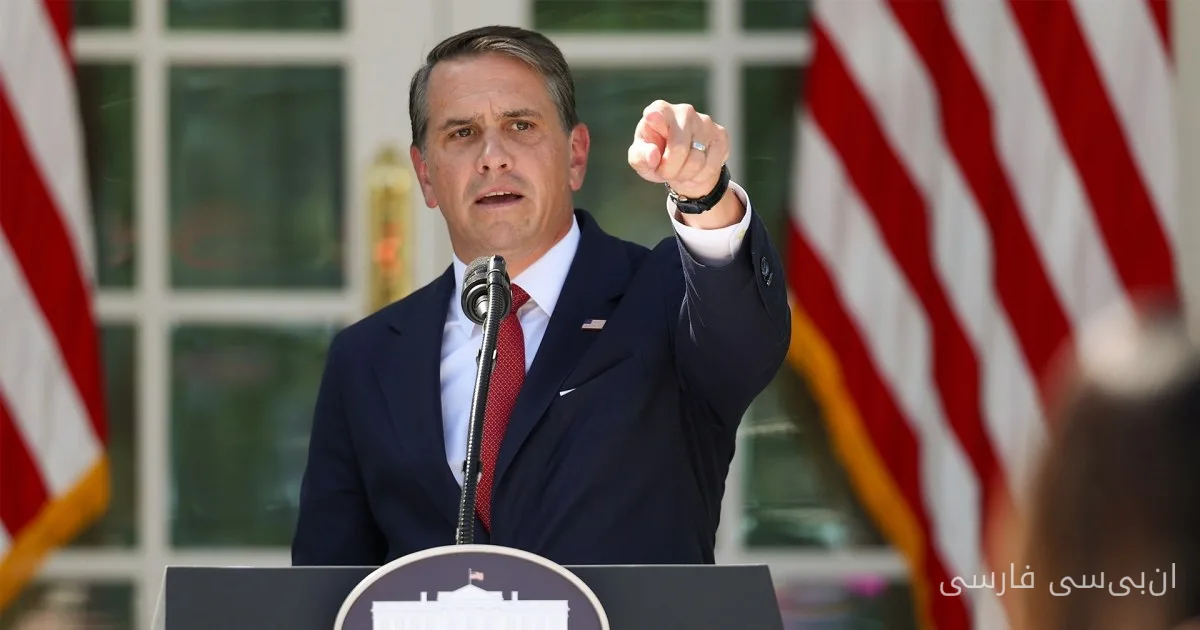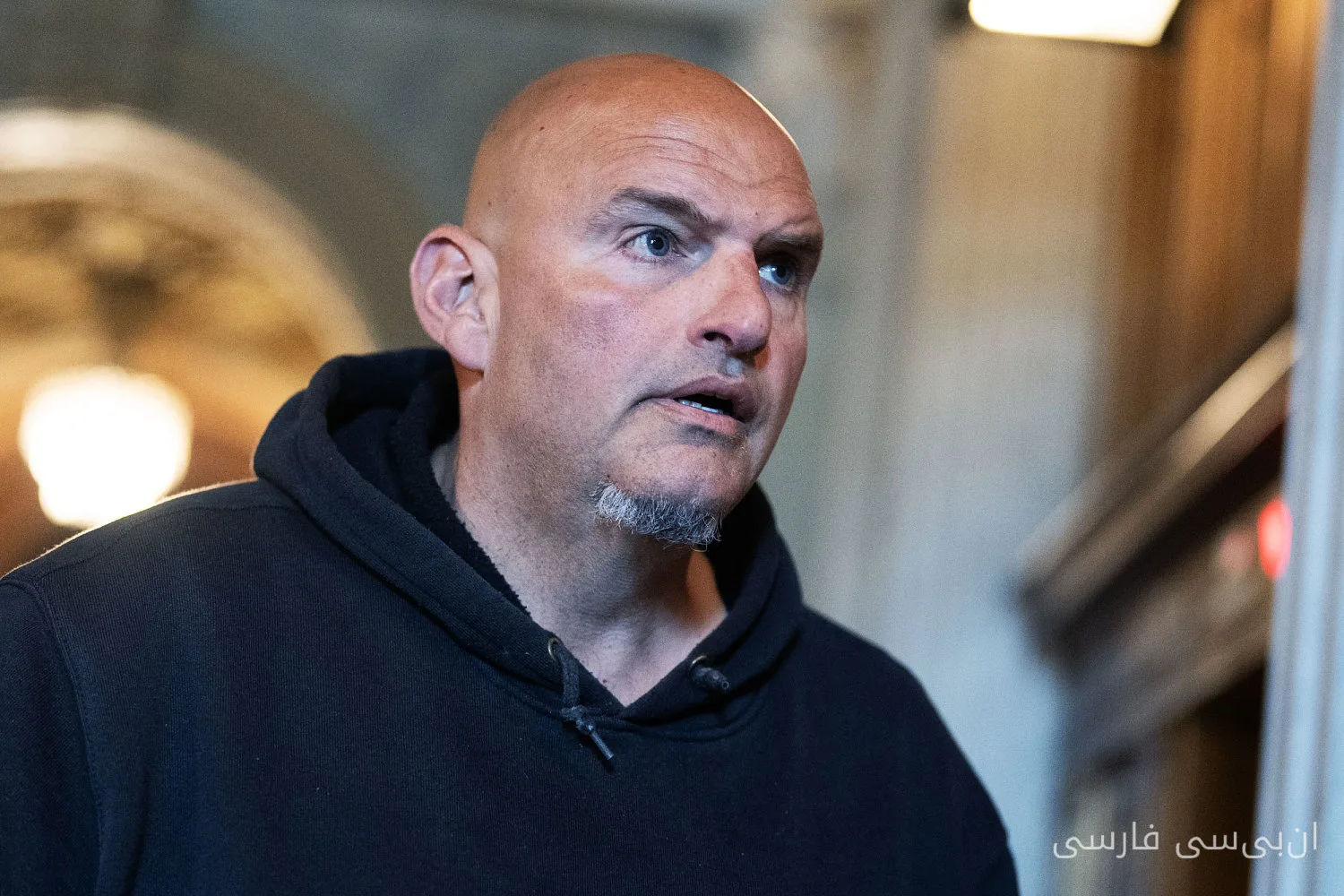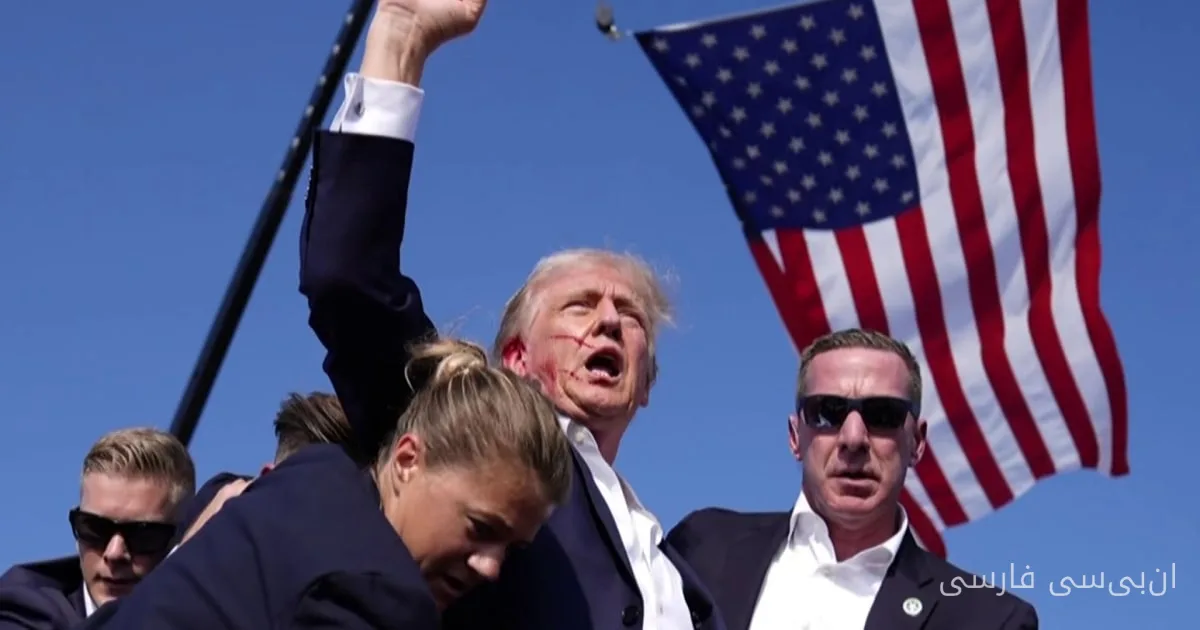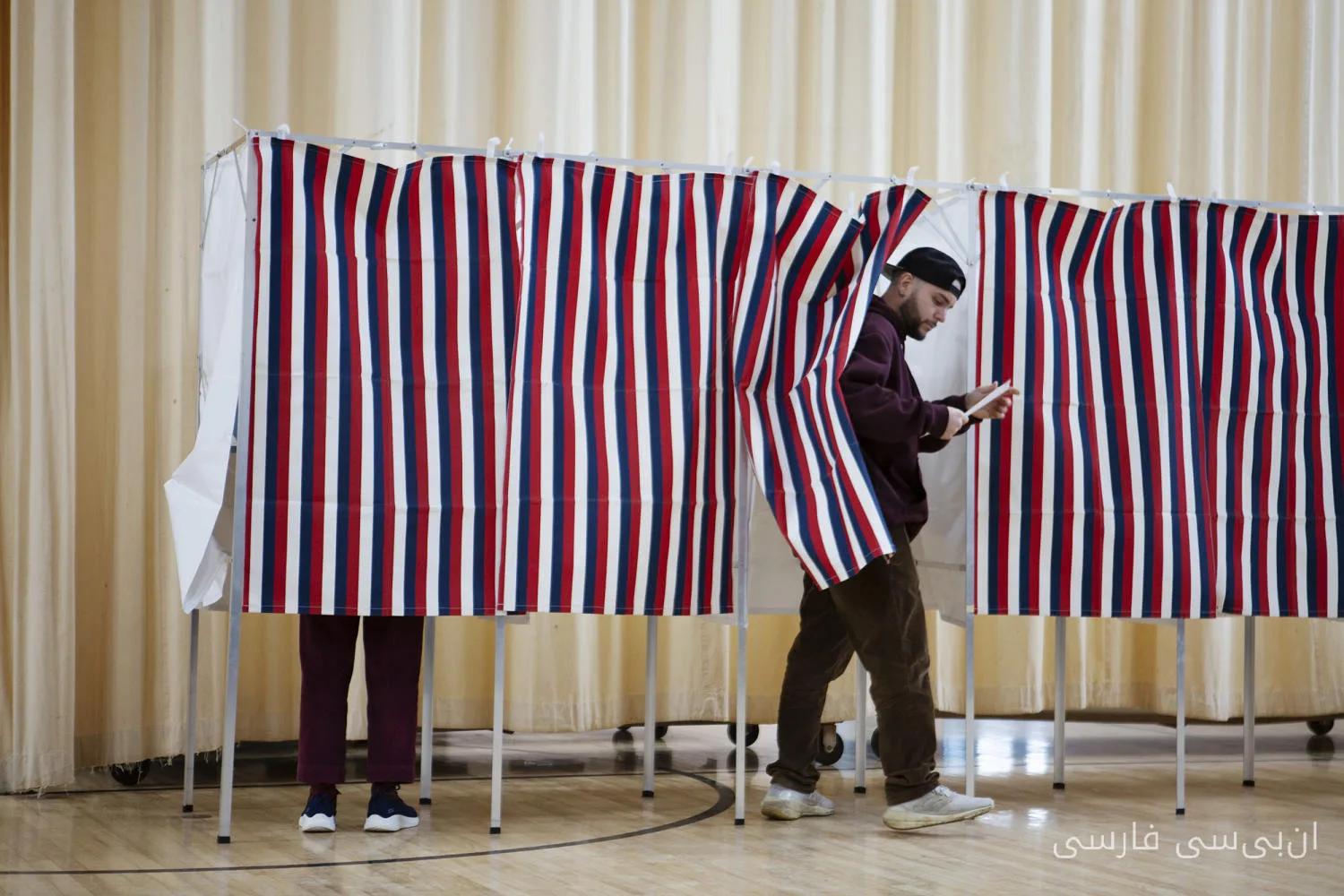
The U.S. Supreme Court dealt a significant blow to President Donald Trump and the Republicans last week by issuing important rulings, indicating that the justices are unwilling to change electoral laws ahead of the midterm elections.
Blocking Trump's Plan for Voting Control
As control of Congress is at stake, the Supreme Court blocked Trump's plan to impose federal control over mail-in voting on Monday night. This decision came after the Supreme Court ruled twice last week in favor of Republicans and declined to reinstate a new congressional map in Missouri that would eliminate one of the two districts controlled by Democrats.
Read more: Pentagon Announces Iran War Has Led to Ammunition Shortages
Although the Supreme Court has a conservative majority of 6-3 that typically votes in favor of Republican priorities, election law experts believe that some justices have limitations against extreme requests. Especially in cases that could disrupt the voting process, particularly when elections are near or underway.
Trump's Response to the Supreme Court Rulings
The Trump administration is deeply upset by these rulings. Trump wrote in a post on his social media: "This is a big loss for Republicans and for America itself, making it easier for radical Democrats to commit fraud." He reiterated baseless claims about election fraud.
Given that some states have already begun voting for the midterm elections, the timing was crucial for Republicans in these two cases. The Missouri Supreme Court criticized Republican Secretary of State Jay Ashcroft for delaying the decision on whether the new map is challengeable and accused him of defiance for failing to comply with the Supreme Court's ruling.
The Future of Elections and Potential New Litigations
Experts say that as the November elections approach, efforts to make last-minute changes to laws, including any new proposals from the Trump administration regarding mail-in voting, will likely face a cold reception from the justices. They have warned that it is still too early to say what new lawsuits might arise before or after Election Day.
There are concerns that the Trump administration may attempt to station federal agents near polling places, although officials have stated that there are no plans to do so. Trump may also file complaints regarding several ballots that are counted after in-person voting, due to the possibility that the results may appear to change.
States with competitive elections, especially those that could determine control of the Senate, may become the focal point of any legal challenges on Election Day or thereafter. Texas and Georgia, two Republican-controlled states with close races, are among them.
There are fears among election officials that the federal government may try to seize votes and voting records due to election fraud claims referenced by Trump and his allies. The Supreme Court has shown in other cases that the conservative majority pursues its own agenda, not Trump's, and has dealt him significant defeats this year regarding broad tariffs and his plans to reduce citizenship rights.
Read more: The U.S. Government Announces the Cost of the Iran War as $33.4 Billion · Trump Administration: Will the Fuel Tax Exemption Be Implemented Soon?