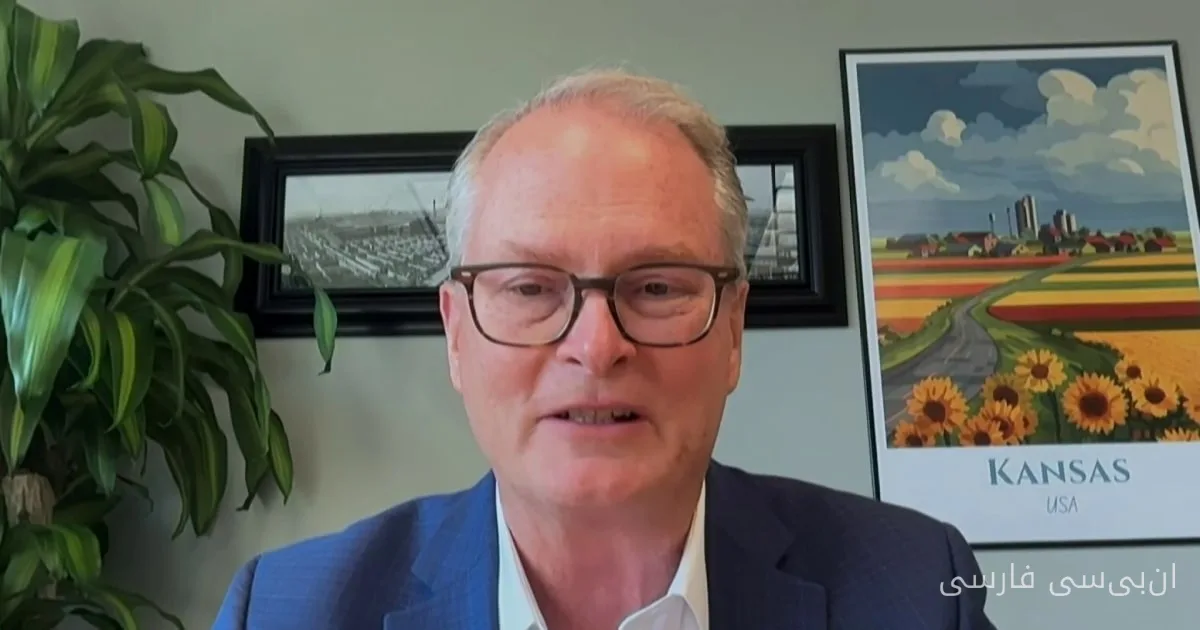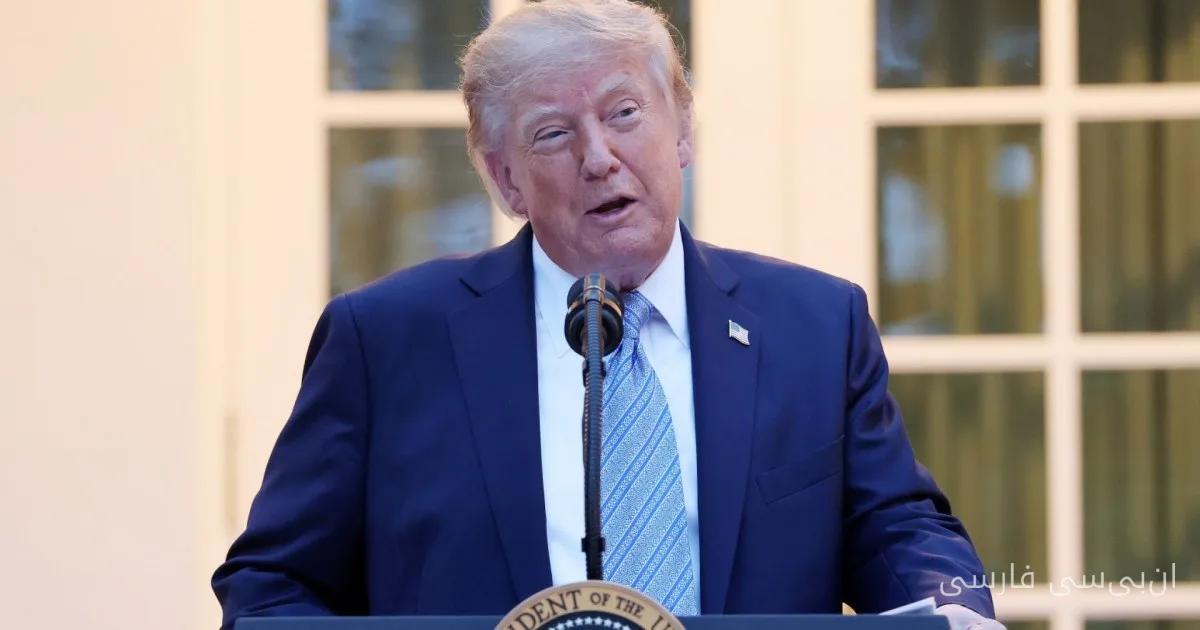
Donald Trump, the President of the United States, claimed in his recent statements: "If Iran had nuclear weapons, I would call its leader and say, 'Sir...'" This statement clearly reflects a false assumption presented within the context of electoral populism. This assertion is neither an honest analysis, nor a legal stance, nor a strategic signal from Washington, but rather a type of persuasive tactic aimed at the domestic audience in the U.S. that seeks to amplify Trump's personal image.
Analysis of U.S. Political and Diplomatic Behavior
Analyzing the political and diplomatic behavior of the United States requires a distinction between "campaign discourse" and "official foreign policy doctrines." Trump's statements clearly aim to create a misleading image of Iran's nuclear situation and international strategies. Such rhetoric can lead to distorted interpretations of Iran's nuclear policies and necessitates a more precise explanation from the perspective of international law and deterrence doctrine.
Read more: Senator Chris Coons Wins in Democratic Primaries in Delaware
Consequences of Trump's Statements
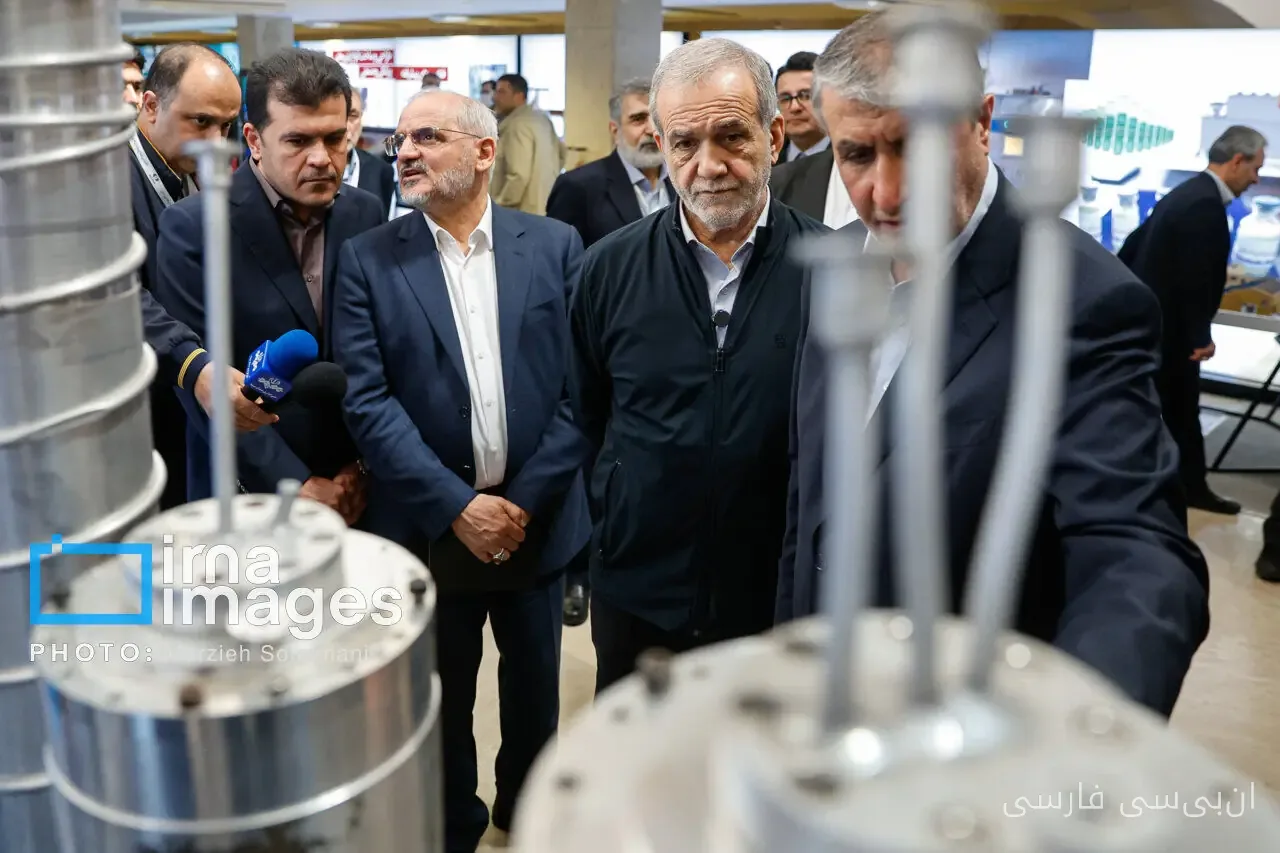
The intersection of Trump's statements with the recent actions of the International Atomic Energy Agency raises the question of whether the United States is exaggerating Iran's nuclear threats or is genuinely concerned about the country's nuclear programs. These statements could potentially impact international decision-making as well as the diplomatic relations between Iran and the United States. As Iran seeks to strengthen its nuclear program, Trump's remarks may lead to increased tensions and reduced diplomatic opportunities.
Ultimately, considering the internal political structure of the U.S. and the function of "reductio ad absurdum" in populism, such statements can influence public opinion and electoral polls. It seems that Trump uses these types of statements to attract the attention of domestic voters while ignoring the nuclear and diplomatic realities at the international level. This trend reflects the challenges the United States faces in engaging with Iran and other countries.
Read more: Trump Faces Criticism from Republicans and Withdraws New ICE Nominee · JPMorgan Halts Prediction of End to Iran War