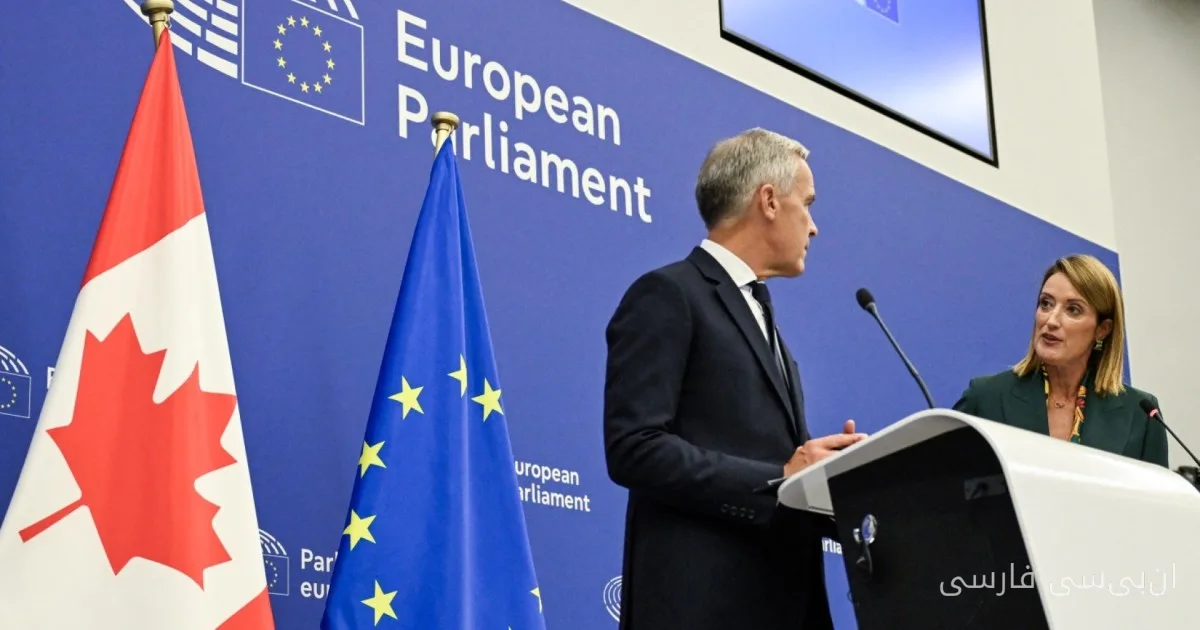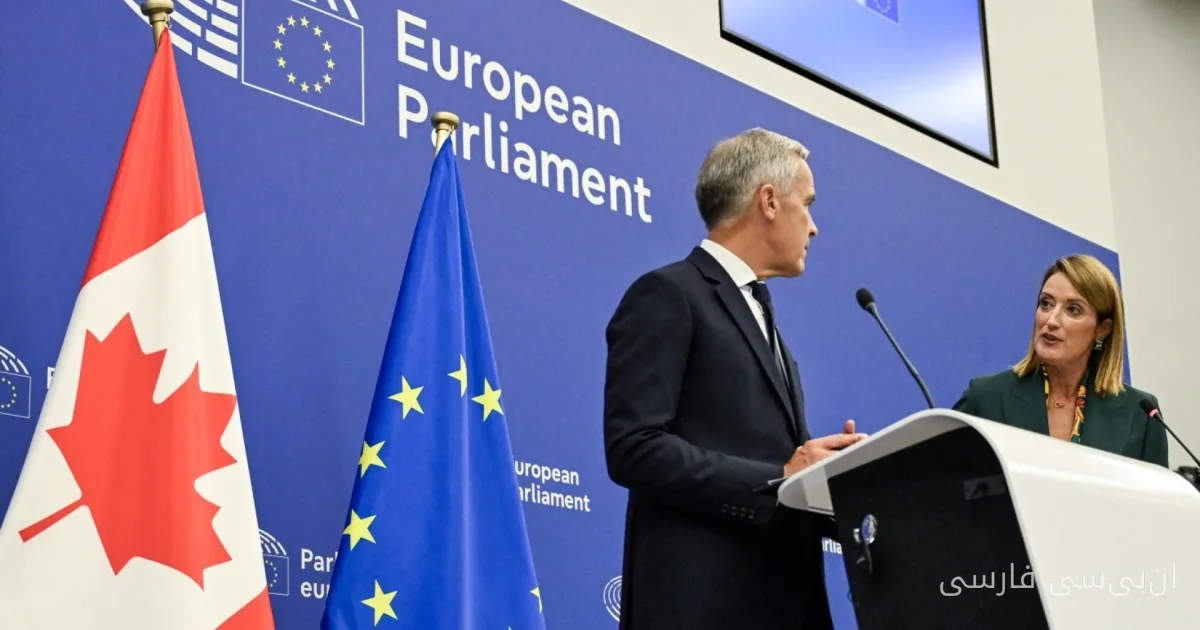
The Prime Minister of Canada, Mark Carney, announced in his speech at the European Parliament in France that his country is seeking to become the first 'associate member' of the European Union. These remarks come at a time when relations between Canada and Western European countries with the United States have been significantly affected in recent months due to political and economic disagreements.
Background and Reasons for Canada's Move
In recent years, Canada and European countries have been seeking to strengthen their relations in economic, political, and security fields. These efforts are particularly in response to trade and political tensions between the United States and other countries. Carney mentioned in his speech that becoming an 'associate member' could help Canada collaborate more directly with the European Union and benefit from the economic advantages of this cooperation.
Read more: Helicopter Crash in Los Angeles Shakes Local News Community
Possible Consequences and Challenges
Canada becoming the first 'associate member' of the European Union would have significant implications for the country's international relations. This move could help strengthen economic and political cooperation between Canada and European countries. However, this path may also bring challenges, including pressures that may arise from the United States. Especially as the United States seeks to maintain its influence in the region, Canada must carefully plan to defend its interests in these developments.
Ultimately, this move by Canada could be seen as a strategic step to strengthen its position on the international stage. Particularly as global relations are rapidly changing, Canada appears to be striving to seize new opportunities to expand its influence.
Read more: News Helicopter Crash in Los Angeles Leaves Three Dead · Trump Issues Order to Remove Canadian Goods