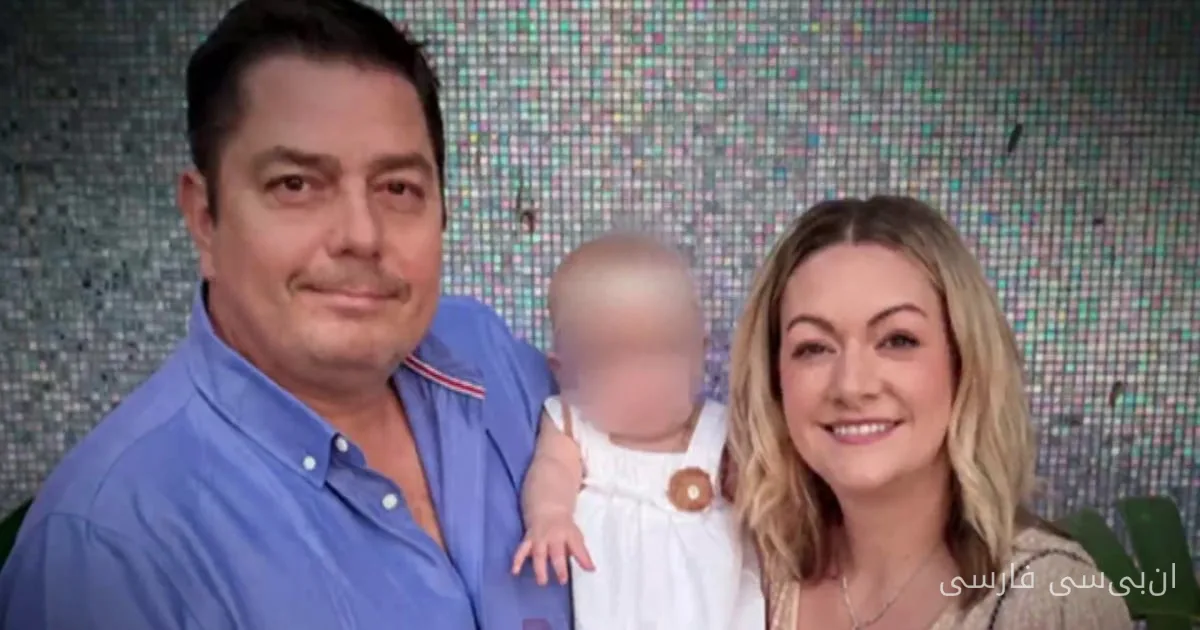
Natalie and Joshua Strang, a couple living in Florida, reported in a controversial announcement that the result of their IVF fertility treatment, which led to the birth of their daughter, mistakenly identified a different biological father. This became apparent when, after the birth of their daughter, the blood type mismatch between Joshua and their daughter raised questions in their minds.
Questions After Birth
The day after their daughter's birth, Natalie and Joshua Strang realized that their daughter's blood type did not match Joshua's. This mismatch quickly prompted them to think, and they decided to undergo a DNA test. The test results astonishingly revealed that Joshua is not the biological father of their daughter.
Read more: Dr. Samantha Bordman Examines the Benefits of Small Talk
Emotional and Legal Implications
This reality has raised many questions and challenges not only for Joshua and Natalie but also for their families and the medical community. They are now facing issues such as family identity, legal matters, and the emotions arising from this discovery. Natalie has stated that this experience has been very difficult for them and has significantly impacted their relationship.
This incident has also sparked broader discussions about the accuracy and reliability of artificial reproductive methods and the necessity of pre-treatment counseling. Many specialists and doctors argue that couples should be aware of the potential risks and issues associated with these methods and receive necessary counseling before starting treatment.
Currently, Natalie and Joshua Strang are seeking solutions to manage the consequences of this discovery and are striving to continue their family life in the best possible way. This story has garnered significant attention and can serve as a reminder for other couples to be more aware and precise in their choices regarding fertility treatments.
Read more: Death of a 40-Year-Old Woman in Pennsylvania; Return of Measles to the United States · Steven Garcia Fights Colon Cancer Diagnosis at Age 38